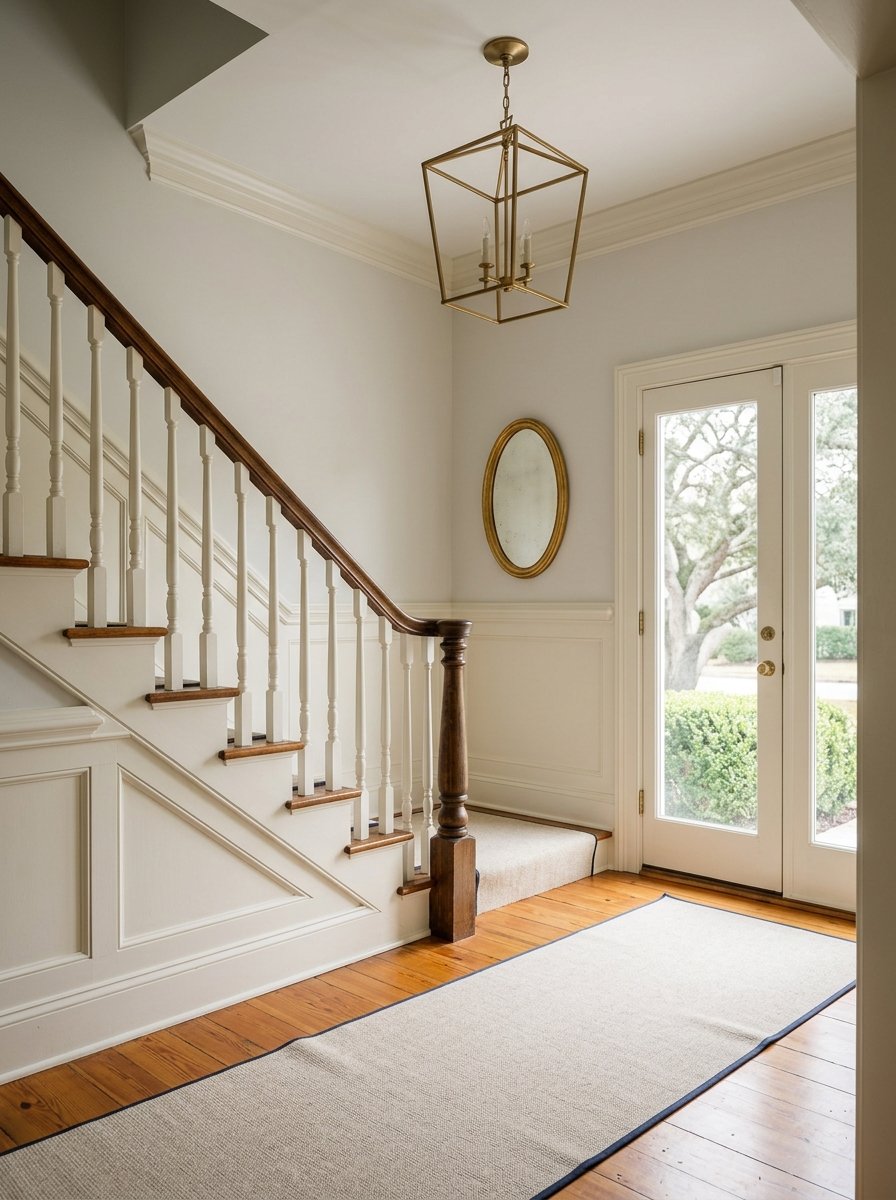
Williamsburg Historic Homes vs Modern Living
July 16, 2026
July 16, 2026
Trying to choose between a home with historic character and one with newer, planned convenience in Williamsburg? You are not alone. Many buyers in Williamsburg weigh the appeal of older architecture and walkable streets against the ease of modern layouts, amenities, and more structured upkeep. This guide will help you understand how Williamsburg’s home styles differ, what daily life can feel like in each setting, and which option may fit your goals best. Let’s dive in.
Williamsburg stands out because its housing story is shaped by both deep history and planned growth. The City of Williamsburg says the city was founded in 1699 and was one of America’s first planned cities. Today, Colonial Williamsburg remains a defining part of the area, with a 301-acre outdoor history museum that includes more than 600 original and reconstructed buildings.
That history affects more than tourism. It shapes the feel of streets, public spaces, and nearby neighborhoods. The city also notes that Williamsburg has the oldest housing stock in the Historic Triangle, which helps explain why buyers often see a clear contrast between older homes near the core and newer communities in surrounding areas.
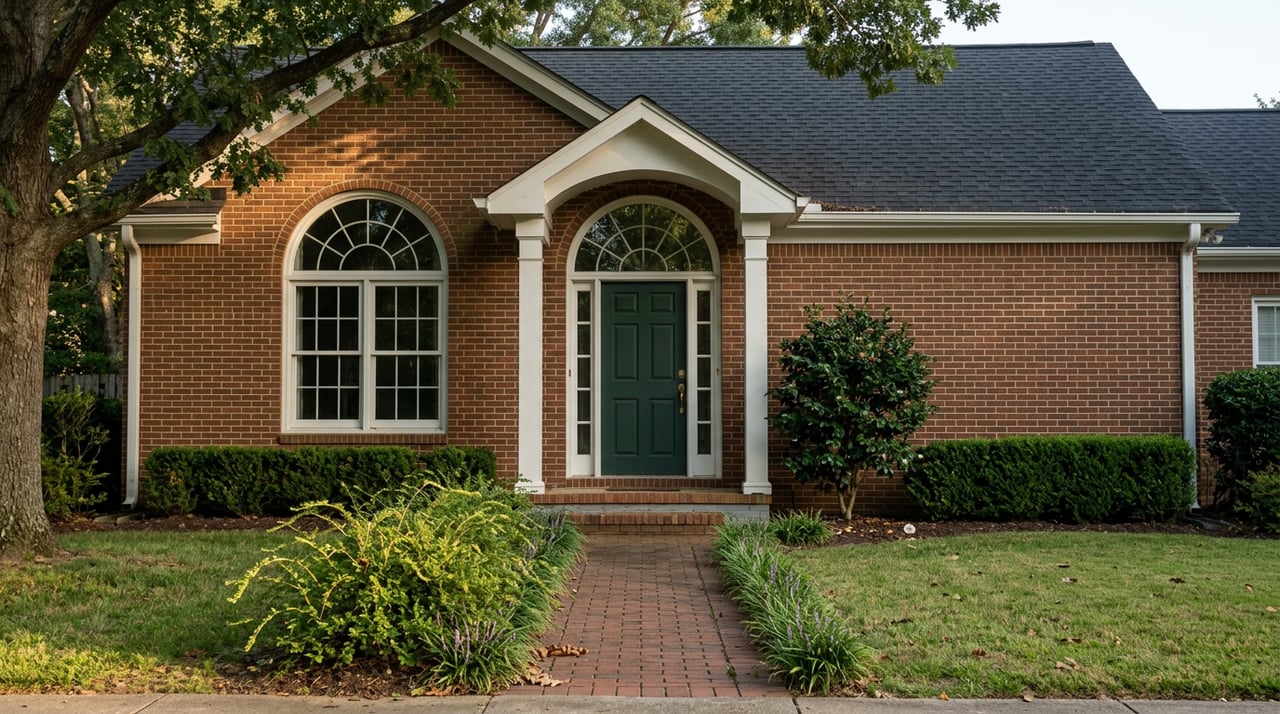
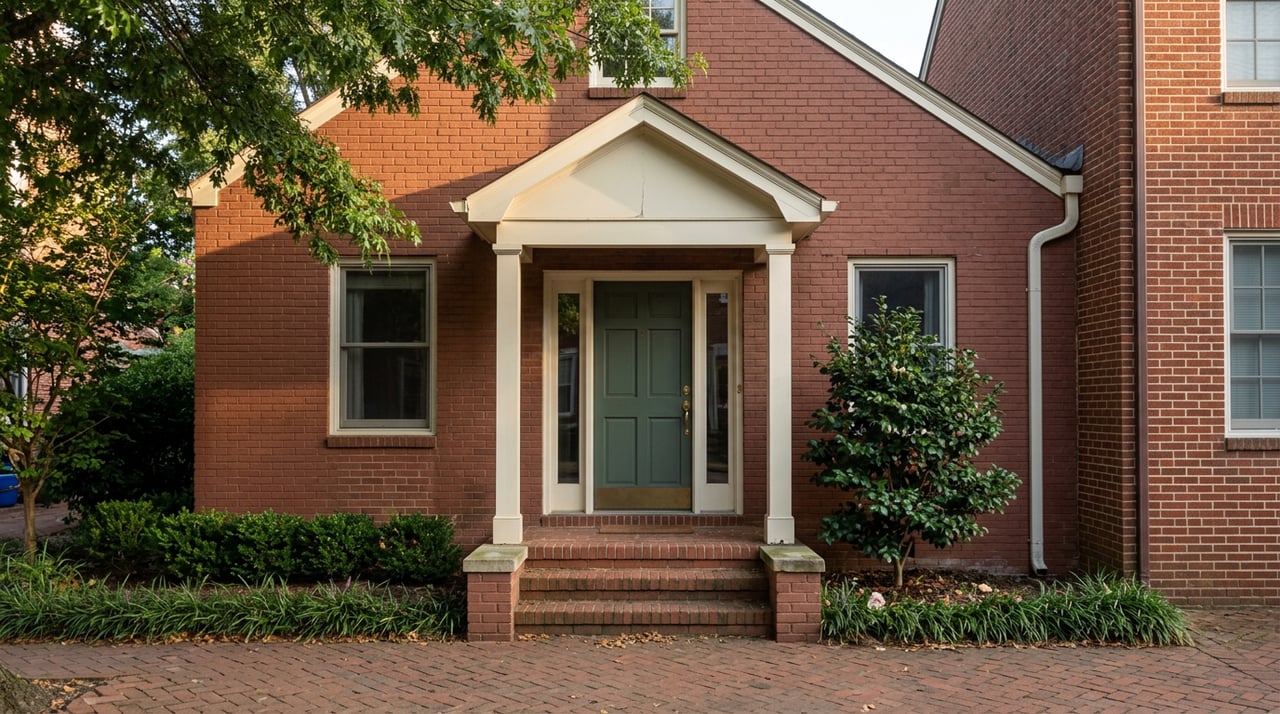
For many buyers, historic-style living in Williamsburg is really about being close to the city’s older neighborhoods and the visual character that comes with them. The city’s Design Review Guidelines say most surviving older structures outside the Colonial Williamsburg Historic Area are Colonial Revival houses. You will also find a mix of bungalows, Dutch Colonial Revival homes, Virginia gambrel Colonial Revival homes, and vernacular dwellings.
The Architectural Preservation districts include places that many buyers associate with classic Williamsburg charm. According to the city, AP-1 includes the Colonial Williamsburg Historic Area, Merchants Square, the old campus of William & Mary, Pollard Park, and Chandler Court. AP-2 includes surrounding older neighborhoods such as College Terrace, Burns Lane, Indian Springs, West Williamsburg, and Capitol Heights.
Older Williamsburg neighborhoods often feel more compact and visually layered than newer subdivisions. The city’s housing plan describes Chandler Court as having simple Colonial Revival houses with well-developed residential landscaping. Pollard Park is described as having a landscaped ravine and a park-like setting.
Indian Springs offers another example. The city describes it as a looping subdivision with small Colonial Revival houses and shared parks, parkways, and walkways. In practical terms, that can mean the outdoor experience feels tied to the larger neighborhood setting rather than centered only on a large private yard.
One of the biggest draws of older Williamsburg areas is walkability. The city describes the Cityside Loop as an easy, wheelchair-accessible sidewalk route through Merchants Square, City Square, and the Historic Area. Colonial Williamsburg also notes that Merchants Square has more than 40 unique shops and dining spots steps from the Historic Area.
If you want a daily routine that includes sidewalks, public gathering spaces, and easy access to shops and dining, this part of Williamsburg can feel very connected. For some buyers, that experience matters just as much as the house itself.
Historic-style living can come with more oversight. The city’s Architectural Review Board rules state that no building, structure, sign, or exterior architectural feature in the Architectural Preservation District or Corridor Protection District may be erected, altered, or restored without approval. In the Colonial Williamsburg Historic Area portion, the board must also consider documented historical and archaeological evidence before approving work.
For you as a buyer, that can affect renovation plans, additions, or visible exterior updates. It does not mean older homes are off-limits for changes, but it does mean you should go in with clear expectations and a good understanding of the review process.
If you prefer a more structured and predictable neighborhood setup, Williamsburg also offers newer master-planned communities. These areas tend to emphasize organized design, integrated amenities, and community-managed upkeep. For many buyers, that creates a very different day-to-day experience from the historic core.
A key example is New Town. It is described as a 365-acre mixed-use New Urbanism community where homes, offices, retail, and restaurants sit within walking distance. Its design emphasizes sidewalks, street lamps, benches, open green spaces, and wooded trails.
New Town shows how modern planning can still support walkability. The community says residents can walk to nearby businesses and restaurants. It also notes that landscaping services are structured for different home types, which points to a more organized maintenance model than what you may find in older neighborhoods.
This kind of planning is not accidental. James City County says master plans are required for rezonings to Residential Planned Community, Planned Unit Development, or Mixed Use. New Town’s history page says its master plan was adopted in 1997, which helps explain its cohesive layout and mixed-use design.
Ford’s Colony offers another version of newer planned living. According to the HOA, the community has more than 5,700 residents in more than 2,700 homes. The HOA says dues help maintain 50 miles of paved roads, 73 acres of turf and landscaping, 12 miles of leisure trails, retention ponds, drainage systems, recreation facilities, and security services.
For buyers who want a neighborhood where maintenance and shared features are handled through a formal structure, that can be appealing. It creates a more systematized living experience, with upkeep and amenities built into the community framework.
When you compare Williamsburg home styles, the biggest difference is often not just the age of the house. It is the lifestyle around it. Historic neighborhoods and newer master-planned communities can both be walkable, but the source of that walkability is different.
In the historic core, walkability connects you to city streets, public spaces, and the layered setting that defines Williamsburg’s identity. In newer communities like New Town and Ford’s Colony, walkability is built into internal neighborhood design through trails, sidewalks, and planned gathering spaces. Both can work well, but they serve different priorities.
The right choice depends on how you want to live day to day. If you love architectural character, proximity to the historic core, and a more established neighborhood feel, an older Williamsburg area may be a strong fit. If you want more standardized upkeep, HOA structure, and amenities planned into the community, a newer neighborhood may make more sense.
Here is a simple way to think about it:
Before you decide, it helps to narrow your priorities early. A home can look perfect online, but the lifestyle fit matters just as much as square footage or finishes.
Ask yourself:
These questions can help you compare homes more clearly and avoid falling in love with a style that does not match how you actually want to live.
Williamsburg gives you two distinct paths, and both have real advantages. One offers historic character, layered streetscapes, and a close connection to the city’s past. The other offers planned convenience, community amenities, and a more structured approach to maintenance and design.
The best move is to match the home style to your lifestyle, budget, and comfort level with upkeep and community rules. If you want help weighing older neighborhoods against newer communities in Williamsburg, working with a local expert can make the process much easier. For a buyer consult or help comparing Williamsburg neighborhoods, connect with Xavier Bryan.
Stay up to date on the latest real estate trends.
I'm an expert real estate agent with eXp Realty in Newport News, VA and the nearby area, providing home-buyers and sellers with professional, responsive and attentive real estate services. Want an agent who'll really listen to what you want in a home? Need an agent who knows how to effectively market your home so it sells? Give me a call! I'm eager to help and would love to talk to you.