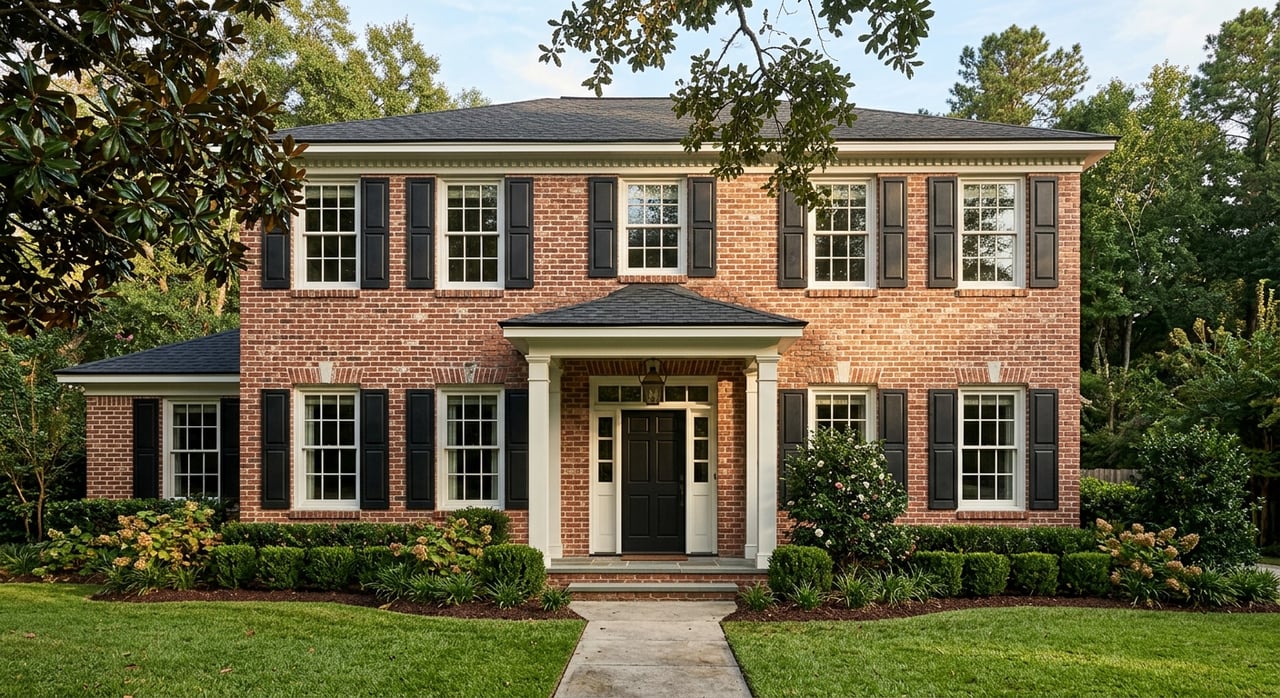
How to Sell Your Home in Suffolk VA With Confidence
May 14, 2026
May 14, 2026
Wondering when to list your Suffolk home, how much to ask, and which projects are actually worth doing first? You are not alone. Selling can feel like a moving target, especially in a market where conditions can shift by neighborhood, not just by city. The good news is that with the right pricing, smart prep, and a realistic timeline, you can launch with confidence. Let’s dive in.
One of the biggest mistakes sellers make is relying on a single citywide number. Suffolk’s latest housing data show a balanced market overall, but neighborhood prices and pace vary quite a bit.
Recent local figures point to that split clearly. Realtor.com reports 593 homes for sale in Suffolk, a median listing price of $415,450, a median sold price of $357,760, a 100% sale-to-list ratio, and a median of 34 days on market. Redfin’s March 2026 data show a median sale price of $393,105, 164 homes sold, and 37 median days on market, while Zillow’s home value index places the average home value at $372,782 and says homes go pending in about 52 days.
Those numbers do not match exactly because each source measures the market a little differently. Still, they all suggest the same thing: Suffolk is active, but it is not a market where every home automatically sells over asking.
Suffolk covers a wide range of neighborhoods, home styles, and price points. Realtor.com shows neighborhood listing prices ranging from about $242,499 in East Washington Street to about $679,000 in The Riverfront at Harbour View.
That spread matters when you price your home. Downtown Suffolk was around $284,000 with a median of 43 days on market, while Chuckatuck and Nansemond were closer to 28 days. Realtor.com also identified Downtown Suffolk as a seller’s market in March 2026, while 23435 was a buyer’s market in the same period.
If you price from a broad Suffolk headline instead of your immediate competition, you can miss the mark. A home in one part of Suffolk may need a very different strategy than a similar-size home in another zip code or neighborhood.
A realistic price range starts with recent comparable sales, current competition, and how your home shows today. It should reflect your home’s condition, updates, lot, layout, and location within Suffolk.
This is where a neighborhood-specific comparative market analysis matters most. In a market with varied micro-conditions, guessing from a city average can lead to overpricing, more days on market, and price reductions that weaken your launch.
If you are trying to decide where to spend money before listing, start with the visible basics. In Suffolk’s current market, buyers have enough inventory to compare homes carefully, so presentation matters.
The 2025 Profile of Home Staging found that 83% of buyers’ agents said staging made it easier for buyers to visualize a home. It also found that 29% of agents reported a 1% to 10% increase in the dollar value offered, and 49% of sellers’ agents said staging reduced time on market.
That does not mean you need a full renovation before you sell. It does mean your home should feel clean, cared for, and photo-ready before it hits the market.
Based on the staging report and current Suffolk conditions, the most practical pre-listing priorities are the ones buyers notice right away:
These projects tend to offer better value than major cosmetic overhauls right before listing. When homes are often selling in about a month, your goal is to make a strong first impression quickly.
If you are prioritizing your time and budget, focus first on the spaces buyers notice most. The staging data point to the living room, primary bedroom, dining room, kitchen, and outdoor spaces as the most commonly staged areas.
That lines up with how buyers tend to experience a showing. They want to picture daily life in the home, and these rooms carry a lot of that emotional weight.
Before starting anything structural or more complex than basic cosmetic work, make sure you understand the City of Suffolk’s permit rules. This step can protect your timeline and help you avoid last-minute issues during the sale.
The city states that no one may construct a structure or change the use of land without a zoning permit and a building permit. Its system includes residential building, electrical, mechanical, and plumbing permits.
Suffolk’s residential application package also says incomplete applications will not be processed and asks applicants to allow up to 5 business days. For sheds, the city notes that structures under 256 square feet need a zoning permit only, while larger sheds need both zoning and building permits.
If you are thinking about adding a shed, enclosing space, updating systems, or tackling another project that could require approval, build that timing into your plan early. Waiting until right before listing can create stress and delay your launch.
For many sellers, the better move is to skip major projects unless they are clearly necessary. Clean cosmetic improvements often do more to support your sale than a last-minute construction project.
In Virginia, seller paperwork can affect your listing timeline just as much as the home prep itself. Getting ahead of disclosures helps you avoid delays once you are ready to go live.
Under the Virginia Residential Property Disclosure Act, a residential property disclosure statement is required. The Virginia Department of Professional and Occupational Regulation says selling homeowners must complete the Residential Property Disclosures Acknowledgement Form and may also need additional forms for property-specific issues, including flood-risk information when applicable.
If your home is part of a condo or homeowners association, Virginia’s Resale Disclosure Act applies to common-interest communities. That means the association packet should be ordered early, since waiting on documents can slow down your transaction.
Before you choose your list date, it helps to line up:
Having these items organized early makes it easier to move quickly once your buyer appears.
A lot of sellers ask whether they should wait for spring. The better question is usually whether the home is ready to compete right now.
Virginia REALTORS reported that the state started 2026 with sales up 2.1% year over year, pending sales up 14.4%, new listings up 6.8%, and active listings up 9.4%, with about 2.2 months of supply. The report also said conditions point to a busier spring market, and that spring may start a little earlier this year.
At the same time, the statewide sold-to-list ratio was 98.5%, the lowest in six years. That points to more inventory and less bidding-war pressure than in hotter market conditions.
Suffolk’s local data support the same message. Realtor.com shows 593 homes for sale, and Redfin reports a median of 37 days on market. Realtor.com also showed Suffolk active listings up 15.27% month over month on its latest page.
That gives buyers more choices. In this kind of market, a home that is fully prepared and priced correctly often has a better outcome than a home that waits for the so-called perfect season but launches half-finished.
For most sellers, the safest seasonal message is simple: timing matters, but readiness matters more. If your home is priced to its neighborhood, photo-ready, and legally organized, you are usually in a stronger position than a seller who is still chasing one more project or one more calendar milestone.
A strong launch can create momentum right away. A delayed or sloppy launch can be harder to fix later.
Because Suffolk’s micro-markets move differently, a fresh market analysis is most useful once you have a realistic listing window and a rough prep plan. That way, pricing reflects what buyers are comparing at the moment you go live.
This matters even more when one part of Suffolk may lean more in the seller’s favor while another gives buyers more leverage. With neighborhood listing prices ranging from the low $200,000s to the high $600,000s, local pricing should never be one-size-fits-all.
A current analysis can help you answer the questions that matter most:
If you want a smooth sale, the goal is not to guess better. It is to make informed decisions before your home hits the market.
Selling your Suffolk home successfully comes down to three things: pricing to your specific neighborhood, focusing on buyer-facing prep, and launching when the home is truly ready. If you want clear advice based on current Suffolk conditions and a practical plan for your timeline, Xavier Bryan can help you map out your next move.
Stay up to date on the latest real estate trends.




I'm an expert real estate agent with eXp Realty in Newport News, VA and the nearby area, providing home-buyers and sellers with professional, responsive and attentive real estate services. Want an agent who'll really listen to what you want in a home? Need an agent who knows how to effectively market your home so it sells? Give me a call! I'm eager to help and would love to talk to you.