Living in Hampton VA: Commute, Amenities & Housing
May 28, 2026
May 28, 2026
Wondering what day-to-day life in Hampton really feels like? If you are comparing cities across Hampton Roads, Hampton stands out because it blends waterfront living, regional access, and a housing mix that does not fit into just one box. This guide will help you understand how commuting, errands, outdoor time, and housing options come together in Hampton so you can decide if it matches your lifestyle. Let’s dive in.
Hampton is well connected by major highways, which is a big part of everyday life here. The city sits on both I-64 and I-664, and Hampton identifies I-64 as the region’s major artery with 23 interchanges. For many residents, that means a lot of flexibility when getting around the Peninsula and connecting to the wider Hampton Roads area.
One of the biggest factors in a Hampton commute is the bridge-tunnel system. The Hampton Roads Bridge-Tunnel links Hampton and Newport News with Norfolk and Virginia Beach, and the Virginia Department of Transportation says it carries nearly three million vehicles a month and more than 100,000 vehicles a day during tourist season. VDOT also identifies the I-664 Monitor-Merrimac Memorial Bridge-Tunnel as a practical, less-congested alternative in many situations.
That matters if you work across the water or regularly travel around the region. Commute times can vary based on tunnel traffic, time of day, and seasonal volume, so many buyers look closely at route options before choosing where to live. In Hampton, access is a real advantage, but your exact location within the city can shape how convenient that access feels.
If you prefer not to drive for every trip, Hampton Roads Transit provides another option for some daily routines. Service runs through the Hampton Transit Center and connects areas including downtown, Buckroe Beach, Fox Hill, Peninsula Town Center, Virginia Peninsula Community College, and Newport News. That gives some residents practical transit access for work, school, errands, or local outings.
Even so, many people in Hampton still rely on a car for the bulk of their travel. Transit can be useful, especially for local trips, but your routine may still center on road access. If commute flexibility is a priority, it helps to think about both highway access and nearby transit stops when narrowing your home search.
Hampton’s amenities are one of its biggest strengths because they support very different lifestyles. Some people want shopping and entertainment close by, while others care most about beach access, parks, and space to get outside. In Hampton, you can find both.
The city also has several activity centers rather than one single hub. That creates a more layered everyday experience, where your routine may look different depending on whether you live near downtown, Buckroe, or the Coliseum area. For buyers, that means it is worth looking beyond the city name and focusing on how each area functions day to day.
Coliseum Central is one of Hampton’s main commercial districts, located at I-64 and I-664. The city describes it as a mixed-use, higher-density area with housing alternatives, recreation, entertainment, and reduced automobile dependency built into the vision. In practical terms, it is a major place for shopping, dining, and everyday convenience.
Within that larger area, Peninsula Town Center brings together retail, dining, entertainment, office, and residential uses. The Power Plant area adds another layer, with major retail, the Hampton Roads Convention Center, an Embassy Suites hotel, and new residential communities. If you want a more central, convenience-focused lifestyle, this part of Hampton often draws the most attention.
Downtown Hampton offers a different kind of daily rhythm. The city’s planning materials focus on waterfront connections, walkable streets, green space, new housing, and a mix of retail and restaurants that support an active urban core. If you like the idea of being near the water and close to local businesses, downtown has a distinct appeal.
Phoebus has its own character, shaped by a small-town commercial feel, arts-and-antiques identity, public waterfront, and a commercial node near Mercury Boulevard and Mallory Street. Buckroe adds yet another layer, with a beach-oriented neighborhood-commercial pattern that includes Buckroe Avenue as a main street with small restaurants and local retail. Together, these areas show how Hampton can feel historic, coastal, or more urban depending on where you are.
For many residents, outdoor access is part of the reason Hampton feels different from other cities. The city has four public beaches, and that gives waterfront recreation a real place in everyday life, not just on occasional weekends. Whether you want a full beach day or a quick walk by the water, Hampton gives you multiple ways to build that into your routine.
Buckroe Beach & Park is one of the city’s best-known public beach spaces. It includes three-quarters of a mile of beach, lifeguards in season, picnic shelters, a pier shelter, a stage pavilion, and a nautical-themed playground. That mix makes it useful for both everyday recreation and larger gatherings.
Fort Monroe’s Outlook Beach is open sunrise to sunset, while Salt Ponds offers a smaller, lower-intensity beach setting. Grandview Nature Preserve adds a very different outdoor experience, with more than 475 acres of salt marsh and tidal creeks. If you want a more natural setting, that gives Hampton another side beyond the classic beach scene.
Beach access is only part of Hampton’s outdoor story. The city also highlights Air Power Park, Gosnold’s Hope Park, Sandy Bottom Nature Park, Bluebird Gap Farm, and Waterwalk. These options give residents a wide range of places for walking, play, and time outside without leaving the city.
Waterwalk is especially useful for everyday activity. It is a 2 1/4-mile linear park running through Coliseum Central from the Power Plant shopping area to Air Power Park, with a focus on pedestrians and bicyclists plus a nature observation deck over Newmarket Creek. That makes it one of the better examples of how Hampton blends convenience areas with outdoor space.
Hampton also supports more water-based recreation beyond the beach. The city points to boat ramps, kayak and canoe launches, piers, fishing access, and an indoor community pool. So if your ideal routine includes paddling, fishing, or getting on the water in different ways, Hampton offers more than a standard park system.
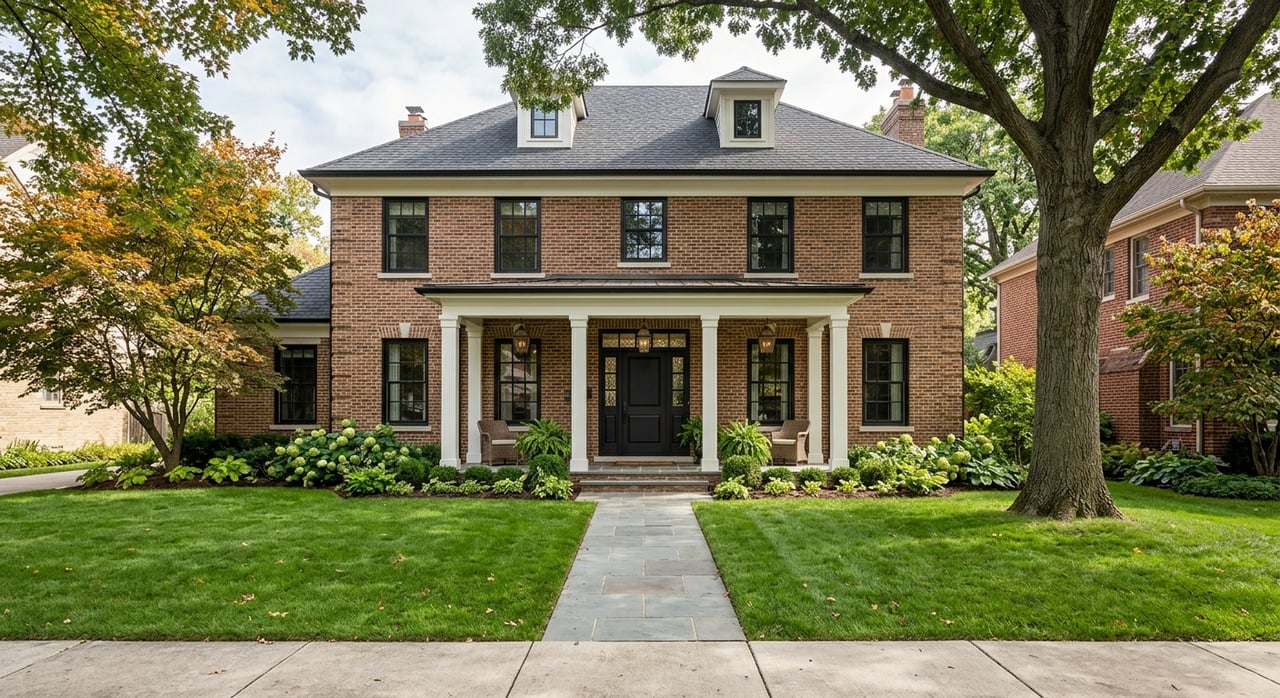
Hampton’s housing stock is broad, which is one reason the city appeals to buyers in different stages of life. According to the city, neighborhoods vary in price, style, and size, ranging from waterfront properties and turn-of-the-century Victorians to new urban condominiums and convenient downtown living. That variety can be a major plus if you want choices beyond one dominant home type.
In practical terms, Hampton feels like several housing markets layered together. You will find historic areas, coastal sections, newer condo options, in-town neighborhoods, and areas influenced by reinvestment and infill. That makes it important to shop by lifestyle and location, not just price point.
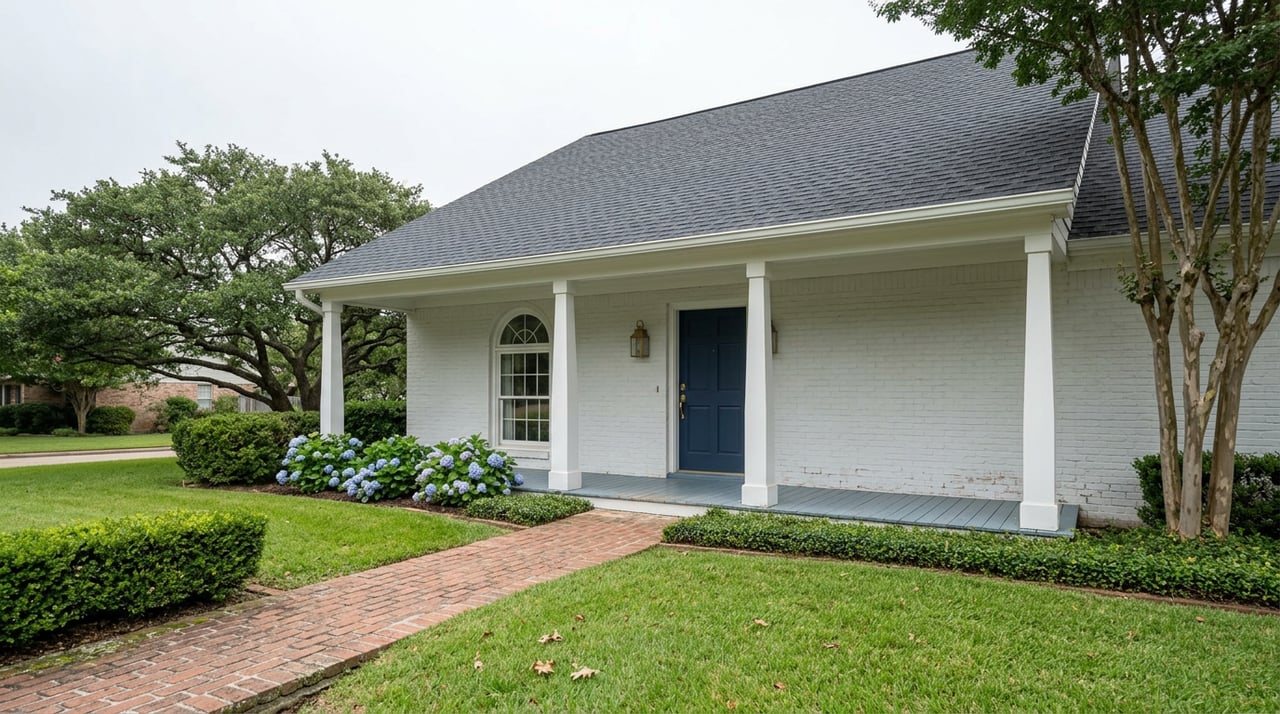
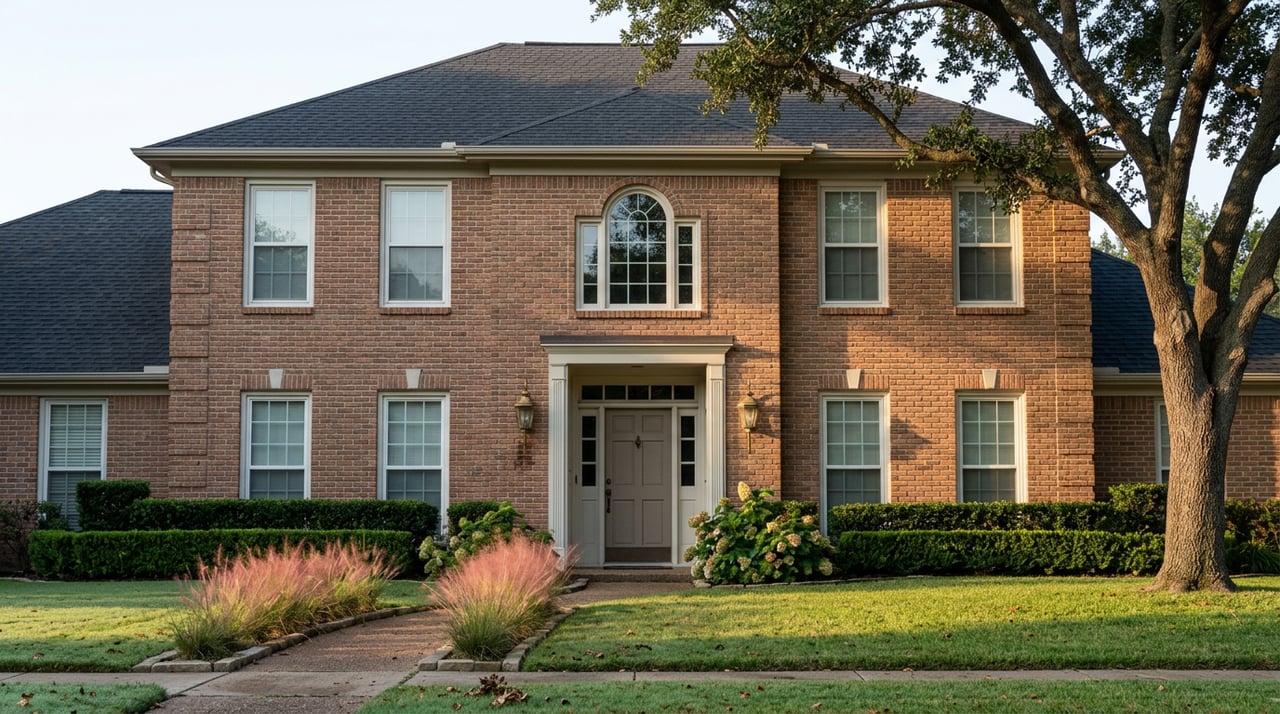
If you are drawn to older architecture, Hampton has a lot to offer. City materials point to recurring neighborhood styles such as Colonial Revival, Craftsman, Dutch Revival, and Cottage. In older sections of the city, buyers may find established streetscapes and homes that reflect that architectural history.
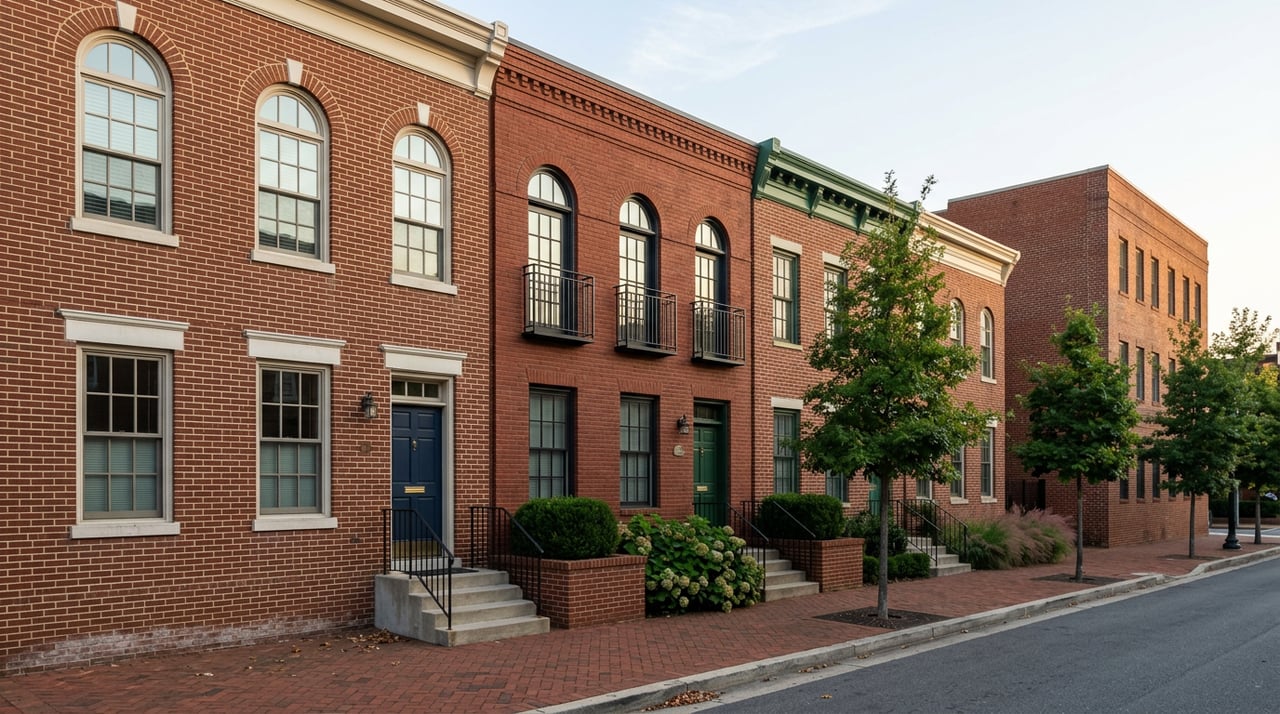
Downtown planning also supports a mix of new multifamily housing in the core and single-family housing in surrounding in-town neighborhoods. On top of that, the city’s infill housing work uses pre-approved designs for older lots that aim to preserve neighborhood character. For buyers who like established areas but also want signs of continued reinvestment, that can be a meaningful plus.
Buckroe is one of the clearest examples of Hampton’s coastal housing identity. The city says housing there should complement historic beach architecture, including Colonial and Victorian styling with porches, awnings, and dormers. That helps explain why Buckroe often feels visually different from more central parts of the city.
The Buckroe pattern book also points to a long history of Victorian, Colonial, cottage, bungalow, Arts & Crafts, and romantic coastal interpretations. It notes that multifamily buildings are generally concentrated on side streets, selected park areas, and commercial streets rather than the main beach approach streets. If you want a neighborhood with a clear beach-oriented identity, Buckroe is one of Hampton’s standout areas.
Hampton is not only preserving older neighborhoods. The city also has active housing initiatives that point to ongoing reinvestment, including Housing Venture areas in Old Hampton, Old North Hampton, Pasture Point, and Sussex. Programs tied to accessory dwelling units and Model Block work are also designed to expand housing opportunities and improve older housing stock within existing neighborhoods.
For buyers and sellers, that signals a city that is working on housing choice and neighborhood upkeep over time. It does not mean every block feels the same, but it does show that Hampton’s housing story includes both history and forward-looking reinvestment. That combination can matter if you are weighing long-term fit.
The best way to describe Hampton is that it supports more than one lifestyle. You might prefer a convenience-driven routine near Coliseum Central and Peninsula Town Center, where shopping, dining, and major roads are close at hand. Or you might be more interested in the walkable waterfront feel of downtown and Phoebus.
Others are drawn to Buckroe for its beach-centered setting and coastal housing character. Then there are older in-town neighborhoods where city reinvestment and infill are active parts of the landscape. That variety is a strength, but it also means your experience in Hampton depends heavily on where you land.
If you are buying or selling in Hampton, it helps to work with someone who understands how these subareas function in real life. Commute patterns, housing style, access to parks, and daily convenience can vary more than many people expect. That local context is what turns a broad city search into a smart move.
If you want help comparing Hampton neighborhoods, planning a move, or figuring out which part of the city fits your routine, connect with Xavier Bryan. Get a free home valuation or buyer consult and let’s talk about your next move.
Stay up to date on the latest real estate trends.



I'm an expert real estate agent with eXp Realty in Newport News, VA and the nearby area, providing home-buyers and sellers with professional, responsive and attentive real estate services. Want an agent who'll really listen to what you want in a home? Need an agent who knows how to effectively market your home so it sells? Give me a call! I'm eager to help and would love to talk to you.