Ghent Norfolk VA Living Guide: Ghent vs Downtown
June 18, 2026
June 18, 2026
Curious whether urban living in Norfolk feels more like a walkable historic neighborhood or a downtown waterfront lifestyle? If you are comparing Ghent and Downtown Norfolk, the answer is: it can be either, depending on the kind of daily routine you want. This guide will help you understand how these two areas differ in housing, amenities, transportation, and day-to-day feel so you can narrow your search with more confidence. Let’s dive in.
Ghent and Downtown Norfolk both offer a more urban experience than many other parts of Hampton Roads. You will find compact blocks, mixed-use streets, and a stronger connection to transit, culture, and waterfront spaces than in more car-dependent areas.
That said, they are not interchangeable. Ghent feels more like a historic urban neighborhood with a local commercial spine, while Downtown Norfolk is the city’s oldest commercial core with a denser mix of offices, entertainment, civic spaces, and residential pockets.
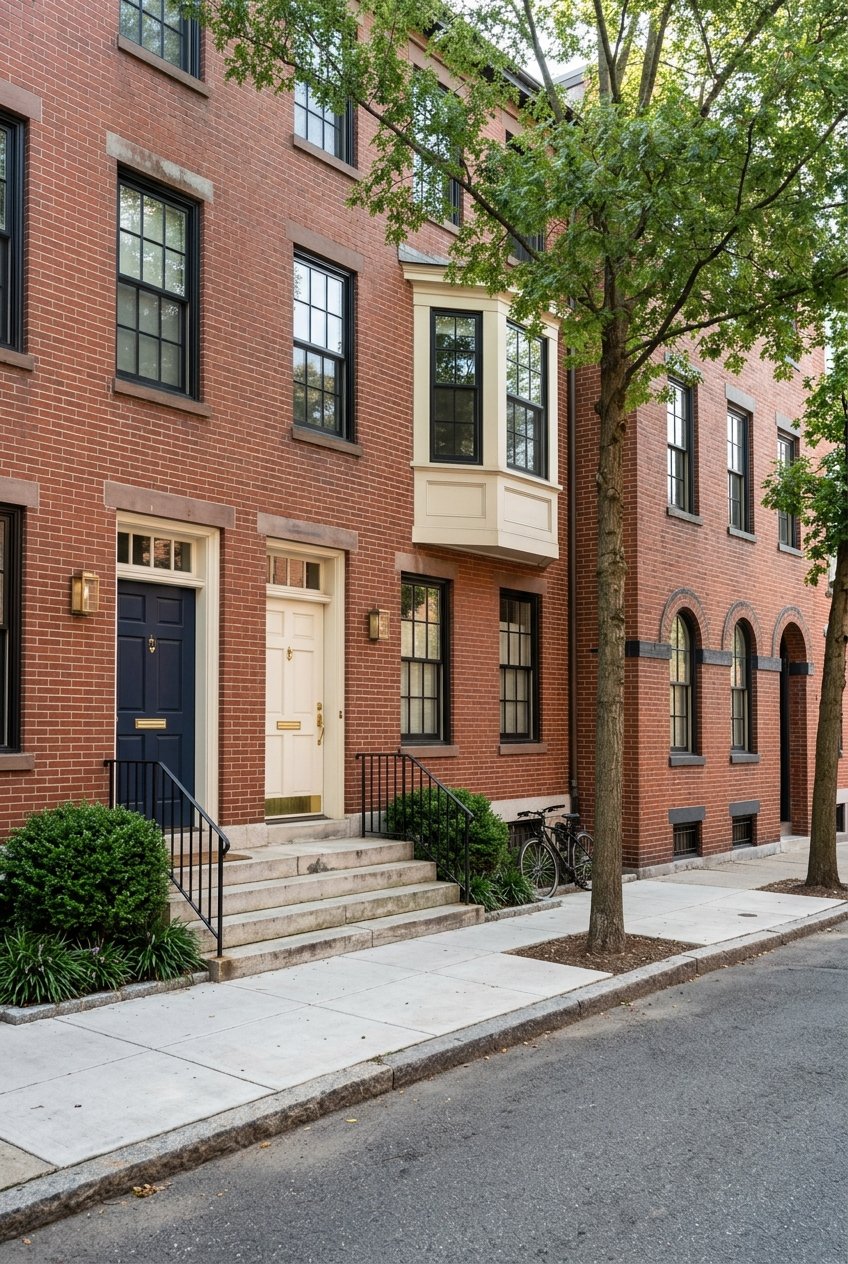
Ghent is one of Norfolk’s most recognizable historic neighborhoods. The City describes it as a planned turn-of-the-20th-century neighborhood and one of Norfolk’s most iconic City Beautiful and Beaux Arts districts.
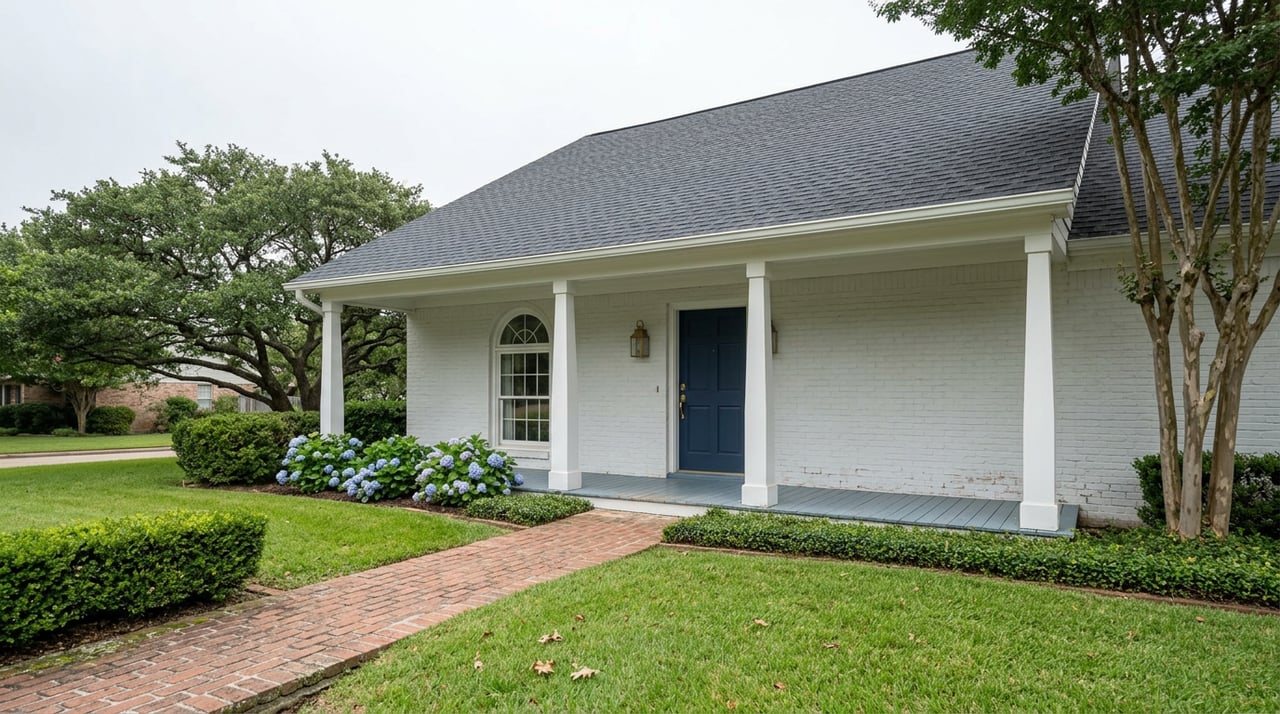
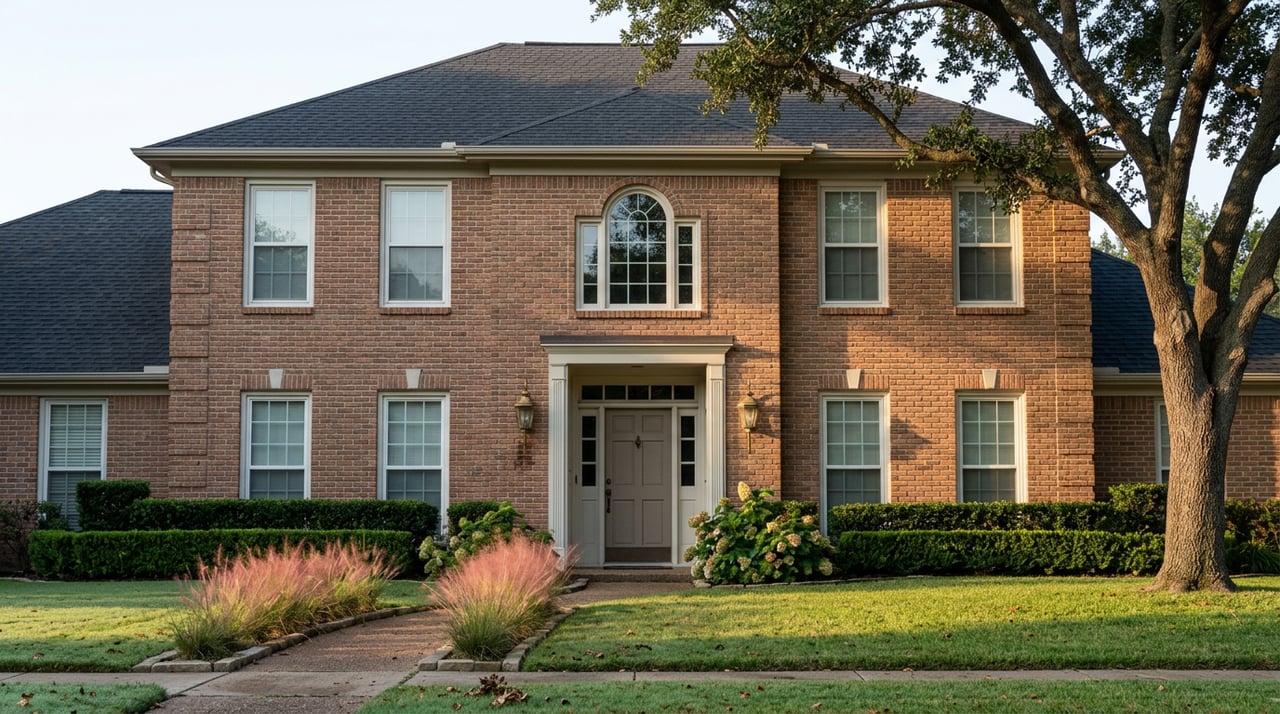
In practical terms, that means you get a neighborhood with strong historic character and a mix of housing types. Ghent includes large single-family homes, walk-up apartment buildings, newer condominium buildings, scattered high-rise apartments, and duplex-style attached homes.
The area is also known for its architecture. Buyers may see Queen Anne, Colonial Revival, Shingle Style, Tudor Revival, and Romanesque Revival influences throughout the neighborhood.
Downtown Norfolk has a different rhythm. It is more commercial and mixed-use, with historic streetscapes and a residential layer that often overlaps with nearby historic districts and adaptive-reuse buildings.
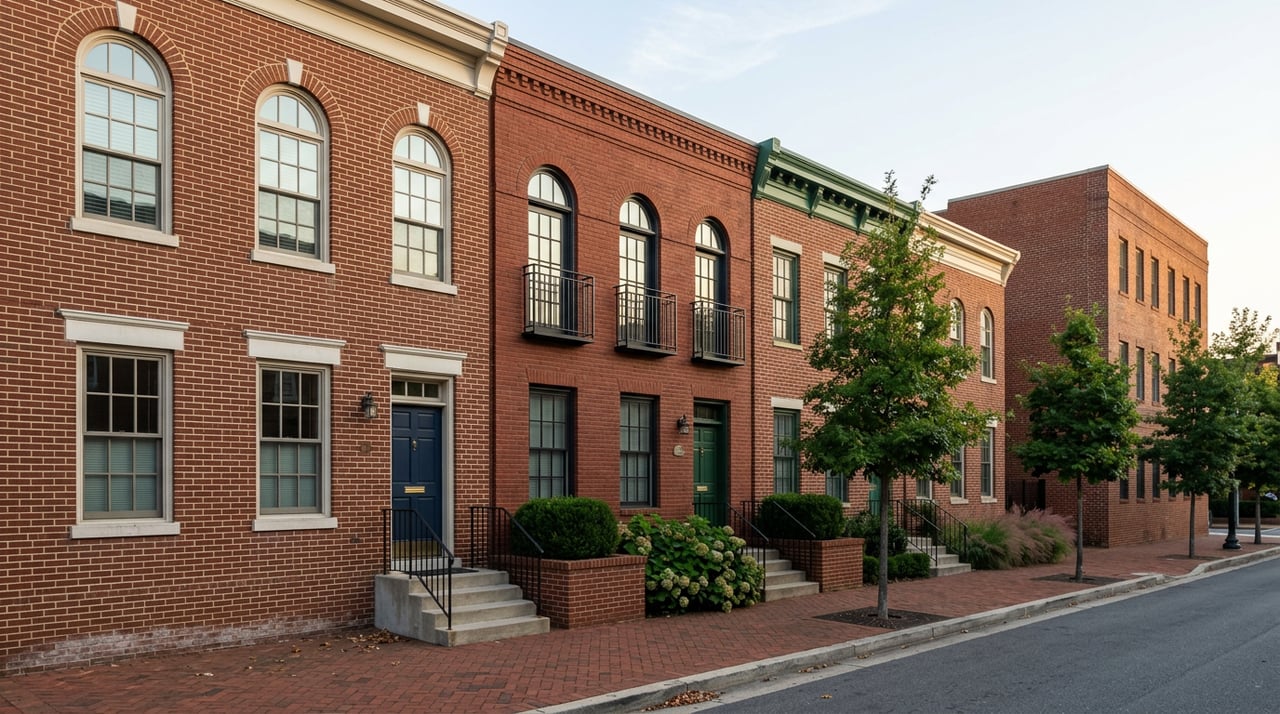
If you picture urban living as a condo, townhouse, or a home near restaurants, offices, public spaces, and waterfront activity, Downtown Norfolk often fits that image. Nearby areas such as East Freemason show the attached-home side of downtown living, with infill structures that are primarily townhouses and condominiums.
Downtown is also still changing. The City has identified the MacArthur Center redevelopment as a major mixed-use transformation that will continue shaping the area.
If you are deciding between these neighborhoods, housing style is often one of the biggest factors. Ghent offers a broader mix of older houses and multifamily options, while downtown-adjacent living leans more heavily toward attached and mixed-use formats.
Here is a simple way to think about it:
| Area | Common Housing Types | Overall Feel |
|---|---|---|
| Ghent | Single-family homes, apartments, condos, attached homes | Historic neighborhood with mixed residential options |
| Downtown Norfolk | Condominiums, townhouses, adaptive-reuse buildings, mixed-use residences | Urban core with commercial and waterfront access |
For many buyers, Ghent offers more variety in home style. Downtown often appeals to people who want a lower-maintenance urban setup close to major activity centers.
One of the biggest reasons people look at Ghent and Downtown Norfolk is walkability. These areas support a day-to-day lifestyle that can include errands, dining, entertainment, and outdoor time without always needing a long drive.
In Ghent, the strongest walkable corridor is around 21st Street and Colley Avenue. The City’s market study describes the district as a regional destination for residential, entertainment, and retail activity.
Ghent also places you near well-known cultural destinations such as the Chrysler Museum of Art, Harrison Opera House, Virginia Opera, Virginia Ballet Theatre, and Generic Theater. That mix helps create a neighborhood feel that is active without being purely commercial.
Downtown Norfolk offers the densest concentration of waterfront-oriented destinations. The City identifies Waterside District, Town Point Park, Nauticus, Selden Market, and The Slover as major downtown destinations.
If you want quick access to public gathering spaces and waterfront activity, downtown stands out. The waterfront area also includes Harbor Park, the USS Wisconsin area, and the Elizabeth River Trail corridor.
For both Ghent and Downtown Norfolk, the Elizabeth River Trail is a major lifestyle feature. The trail runs 10.5 miles through Downtown Norfolk and West Ghent and connects places such as Harbor Park, Freemason, the Sentara campus, Fort Norfolk, ODU, and other riverfront destinations.
That matters if you want more than just a place to live. The trail adds a practical and recreational connection point for walking, biking, and enjoying the waterfront in daily life.
If reducing car dependence matters to you, Norfolk’s urban core offers some of the strongest options in the city. Ghent and Downtown Norfolk benefit from transit access, trail connections, and in downtown’s case, ferry service.
The Tide light rail runs 7.4 miles from EVMC/Fort Norfolk through downtown Norfolk to Newtown Road. Downtown stations include York Street/Freemason, Monticello, MacArthur Square, Civic Plaza, Harbor Park, and NSU.
Downtown also has the Downtown Norfolk Transit Center at 434 St. Pauls Boulevard, which serves many bus routes. For buyers who commute within Norfolk or want alternatives to daily driving, that is a meaningful advantage.
Another unique feature is the Elizabeth River Ferry. Current HRT service includes trips between Portsmouth and Norfolk, including Waterside, with Harbor Park service for Norfolk Tides home games.
Urban convenience comes with tradeoffs, and parking is one of the big ones. Ghent’s market study notes that revitalization has increased parking demand and traffic congestion.
Downtown Norfolk often relies on garages and meters instead of private driveways. If you are used to suburban parking setups, this is something to weigh carefully when comparing locations.
Driving across the region also looks different from the urban core. In Hampton Roads, bridge-and-tunnel crossings carry heavy traffic volumes, including the Hampton Roads Bridge-Tunnel, Downtown Tunnel, and Midtown Tunnel.
For some buyers, that makes living in Ghent or Downtown Norfolk appealing because daily routines may involve more short-hop driving, transit, ferry use, or walking rather than frequent cross-water commuting.
If you love older architecture and character, there is one practical detail you should not overlook. Because these areas include local historic districts, exterior alterations are reviewed by the Architectural Review Board.
That does not mean you cannot update a property. It does mean buyers who are thinking about exterior renovations should understand review requirements early in the process.
This is especially important if you are comparing a historic home in Ghent with a condo or townhouse in a downtown-adjacent area. Your renovation plans, maintenance expectations, and decision-making timeline may look very different depending on the property type.
When buyers ask which area is better, the real question is usually: which lifestyle fits you better? Both neighborhoods offer a distinctly urban Norfolk experience, but they deliver it in different ways.
Ghent may be the better fit if you want:
Downtown Norfolk may be the better fit if you want:
The difference between Ghent, Downtown Norfolk, and more suburban Peninsula options is not just geography. It is also about the form of daily life.
In Norfolk’s urban core, you are more likely to experience compact blocks, attached housing, transit access, mixed-use streets, and close waterfront amenities. In more suburban parts of the region, daily routines are often more car-dependent and may involve larger cross-water trips.
That contrast can be especially important for relocating buyers who are trying to decide between an urban lifestyle and a more traditional suburban pattern. Your commute, housing type, parking expectations, and daily convenience can all shift based on that choice.
The best way to choose between Ghent and Downtown Norfolk is to match the neighborhood to how you actually live. Think about whether you want historic charm, attached housing, waterfront access, transit options, or easier parking.
If you are relocating to Hampton Roads, this kind of neighborhood-level clarity can save you time and help you focus on homes that support your real routine. And if you are weighing Norfolk against Peninsula locations, it helps to compare not just price or square footage, but also how each area functions day to day.
Whether you are buying your first place, relocating for work, or looking for a townhome or low-maintenance home with more city access, having a local guide matters. If you want help comparing neighborhoods across Hampton Roads and the Virginia Peninsula, connect with Xavier Bryan for a buyer consult or home valuation tailored to your next move.
Stay up to date on the latest real estate trends.



I'm an expert real estate agent with eXp Realty in Newport News, VA and the nearby area, providing home-buyers and sellers with professional, responsive and attentive real estate services. Want an agent who'll really listen to what you want in a home? Need an agent who knows how to effectively market your home so it sells? Give me a call! I'm eager to help and would love to talk to you.