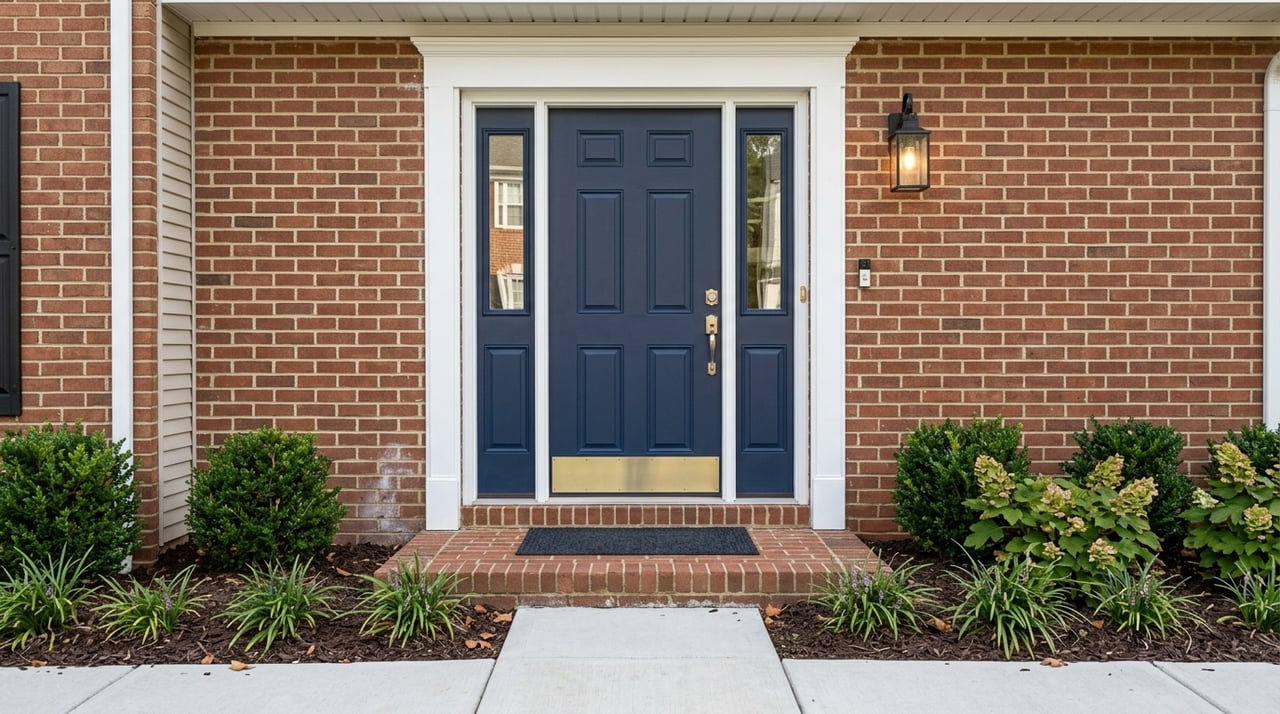
Selling A Townhome In Hampton: HOA, Prep And Pricing
July 9, 2026
July 9, 2026
If you are selling a townhome in Hampton, your biggest mistakes usually happen before the first showing. Price too high, wait too long on HOA documents, or skip the small prep work that helps your home feel bright and move-in ready, and you can lose momentum fast. The good news is that with the right plan, you can make a stronger first impression, avoid preventable delays, and position your home well from day one. Let’s dive in.
Hampton’s housing market has been moving at a steady pace, with public data showing homes going pending in roughly 25 to 36 days and sale-to-list performance around 100% in recent reporting. The City of Hampton assessor also reported residential values up 5% year over year, with homes selling in about 35 days and averaging around two offers. That tells you one thing clearly: your launch matters.
For townhomes, this matters even more because attached homes tend to have tighter early pricing windows. Research in Hampton and broader market data suggest the best sale-to-list outcomes often happen when a home closes about four weeks after listing. If your townhome misses the mark on price early, catching up later can be harder.
Attached-home inventory in Hampton has been relatively limited. A regional economic report using local housing data showed Hampton condo and townhome supply at about 1.0 month in March 2026, compared with 1.7 months for single-family homes. That is a useful sign for sellers, but it does not mean any townhome will sell at any price.
Low supply can help create attention, but buyers still compare monthly costs closely. In a townhome sale, that means your list price, HOA dues, condition, and overall presentation all work together. Your home needs to feel like a clear value versus competing attached homes.
If your Hampton townhome is in a common interest community, Virginia’s Resale Disclosure Act applies. That means the seller or seller’s agent must obtain the resale certificate from the association and provide it to the buyer. This requirement cannot be waived by agreement.
The association generally has 14 days after a written request to deliver the certificate. If it is not delivered within that window, it is considered unavailable. That timing alone is a strong reason to request the package early, not after you already have a buyer.
The resale certificate covers much more than basic HOA dues. Under Virginia law, it can include governing documents and rules, assessment amounts and schedules, special assessments, reserve information, the budget, reserve study, pending lawsuits, insurance coverage details, recent meeting minutes, occupancy limits, parking restrictions, rental restrictions, and rules related to items like signs, flags, or solar equipment.
For buyers, this information affects affordability, lifestyle, and risk. For you as a seller, it can shape how quickly a buyer feels comfortable moving forward. If the paperwork raises surprises late in the process, you may lose time or even the contract.
Virginia also gives buyers cancellation rights tied to the resale certificate. If the certificate is delivered after the contract is ratified and the contract does not set a different timeframe, the buyer generally has three days after receiving it to cancel. If the certificate has not been delivered at all, the buyer may cancel any time before settlement.
If your townhome is subject to more than one association, the cancellation period runs from delivery of the last certificate. This is one of the clearest reasons to get organized before listing. A delayed HOA package can create avoidable uncertainty at the exact moment you want the deal to stay on track.
Virginia’s Residential Property Disclosure Statement is a buyer-beware notice. The state form says the owner makes no representation or warranty as to the condition of the property or improvements, and it points buyers toward their own due diligence on issues such as inspections, flood zones, lot lines, radon, airport noise, and nearby land-use matters.
In practical terms, that means the disclosure form is not a shortcut around preparation. Clean records, visible upkeep, and a home that shows well still matter. Buyers may accept that they need to do their homework, but they still notice deferred maintenance and poor presentation.
For most Hampton townhome sellers, the best pre-listing work is not a major remodel. It is the kind of prep that makes your home look cleaner, larger, brighter, and easier to maintain than nearby competition. National staging research supports this approach.
In a recent staging survey, the most commonly recommended seller improvements were decluttering, whole-home cleaning, curb appeal improvements, paint touch-ups, minor repairs, carpet cleaning, and professional photos. The same research found that many agents saw staging reduce time on market, and some reported stronger offer prices as well.
You do not need to over-improve to make a strong impression. Listing research has shown that modest, visible upgrades like new appliances, LED lighting, luxury vinyl flooring, Shaker-style cabinets, and some countertop updates were associated with higher-than-expected sale prices. These are not guarantees, but they do point to what buyers tend to notice.
If you are deciding where to spend your time and money, start with the basics that photograph well and feel obvious in person. In many townhomes, that means improving lighting, touching up paint, cleaning flooring, reducing furniture bulk, and making kitchens and baths feel simple and fresh.
Townhome buyers often compare space very carefully. Even when the square footage works, cluttered rooms, packed closets, and dark corners can make the home feel smaller than it is. That can hurt both interest and pricing power.
Your goal is to create a sense of easy living. Clear counters, organized storage, lighter visual weight, and a tidy entry can make the entire home feel more functional. Small patios, balconies, and front entries matter too, because they help buyers picture how attached living works day to day.
The first month on market is often the most important pricing window. Hampton market data shows homes are moving relatively quickly, and broader market research suggests attached homes benefit from sharper launch pricing because they are more likely than single-family homes to sell below asking if they miss early demand.
That does not mean underpricing your townhome. It means pricing it in line with current competition, condition, HOA structure, and buyer expectations. A stale listing can lead buyers to assume something is wrong, even when the real issue is simply that the price started too high.
With townhomes, buyers do not look only at the purchase price. They also look at the full monthly cost, including HOA dues. Because Virginia resale documents disclose assessments, insurance details, and restrictions, buyers will eventually evaluate what those dues cover and what they do not.
That is why your townhome should be positioned clearly from the start. If dues help cover exterior maintenance, shared amenities, or other community costs, buyers need a straightforward picture of the value. Clear communication helps them compare your home against other attached options more confidently.
For many financed sales in Hampton, a practical planning window is about 45 to 90 days from listing to closing. That estimate lines up with current local days-on-market snapshots plus normal mortgage timing, including the required Closing Disclosure delivery at least three business days before closing.
If you are planning further ahead, starting 6 to 12 months out gives you more room to make smart choices without rushing. You can review HOA rules early, check for any special assessments or restrictions, handle cosmetic fixes, prepare strong media, and launch with fewer surprises.
Before you list your Hampton townhome, focus on these priorities:
Selling a townhome in Hampton is rarely about doing everything. It is about doing the right things early. When you combine timely HOA prep, sharp presentation, and realistic pricing, you give yourself the best chance to attract strong buyers before your listing loses momentum.
If you want a smoother process, it helps to work with someone who understands how Hampton buyers compare attached homes and how to keep the details from slowing down your sale. For a pricing strategy and selling plan tailored to your townhome, connect with Xavier Bryan.
Stay up to date on the latest real estate trends.



I'm an expert real estate agent with eXp Realty in Newport News, VA and the nearby area, providing home-buyers and sellers with professional, responsive and attentive real estate services. Want an agent who'll really listen to what you want in a home? Need an agent who knows how to effectively market your home so it sells? Give me a call! I'm eager to help and would love to talk to you.