North Suffolk VA Lifestyle Guide for Housing and Commutes
June 4, 2026
June 4, 2026
Wondering what daily life in North Suffolk actually feels like once the moving boxes are gone? If you are weighing a move here, you probably want more than a map pin. You want to know what housing looks like, where you will run errands, and how your commute may work day to day. This guide gives you a practical snapshot of North Suffolk so you can picture how the area may fit your routine. Let’s dive in.
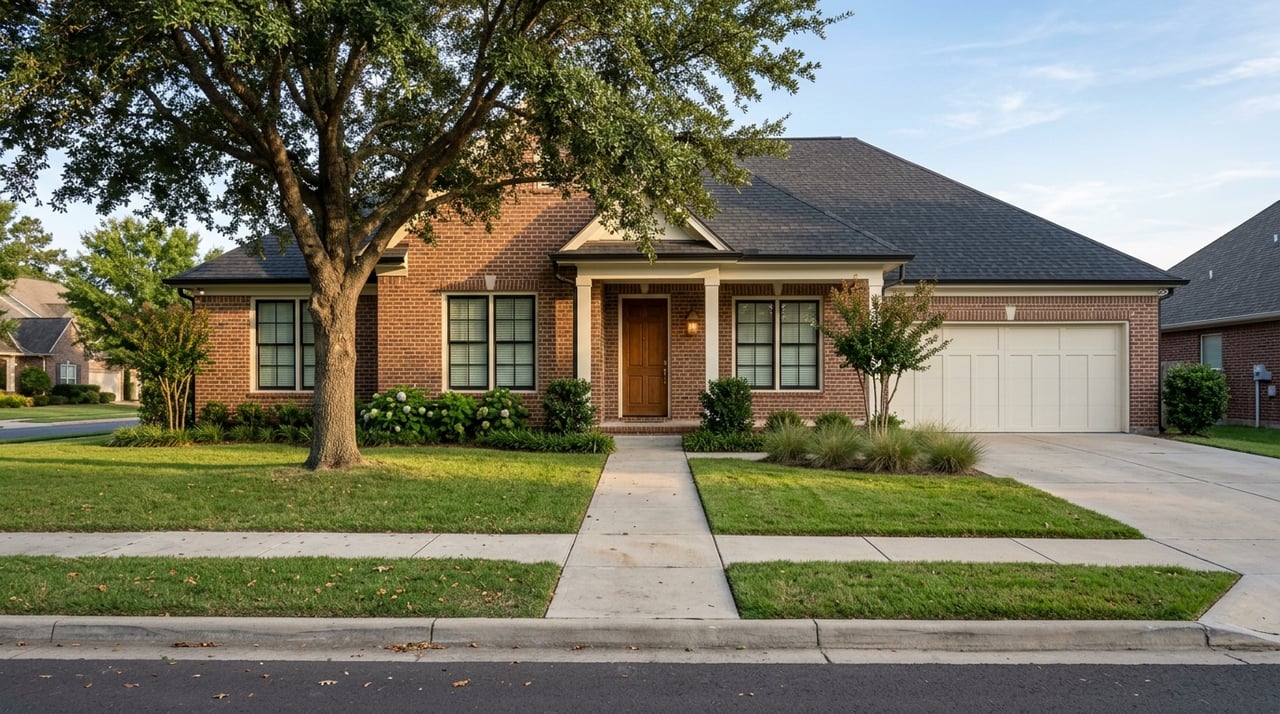
North Suffolk is best understood as a broad suburban district inside the City of Suffolk, not a single compact neighborhood. Suffolk describes the city as a place that blends small-town charm with big-city amenities, and it notes that the northern part of the city has become a center for high technology. That helps explain why North Suffolk often feels like a large residential and commercial area with multiple hubs instead of one main street.
The city’s Second Precinct is located in North Suffolk and covers about 25% of Suffolk’s 430 square miles. In practical terms, that means your day-to-day experience can vary depending on which part of North Suffolk you choose. Some pockets feel more residential and tucked away, while others put you closer to shops, services, and major roads.
North Suffolk tends to attract buyers who want a suburban setting with a range of home types. Across Suffolk citywide, 70.7% of housing is owner-occupied, the median owner-occupied home value is $347,400, the median monthly owner cost with a mortgage is $2,147, and the median gross rent is $1,563. Those numbers point to an area where homeownership is common, while rentals still play a meaningful role.
For many buyers, that balance matters. It suggests you are looking at a market with established ownership patterns, but not one limited to only a single type of household or housing option. If you are relocating or easing into the market, that mix can create more flexibility.
In Harbour View, the official community description points to a range of home styles from condos to riverfront homes. It also references waterfront, golf-course, and wooded views. Suffolk’s 2045 plan describes The Riverfront at Harbour View as a master-planned community in Northern Suffolk, which supports the idea that at least part of North Suffolk offers a more planned, amenity-rich housing setting rather than a uniform older housing stock.
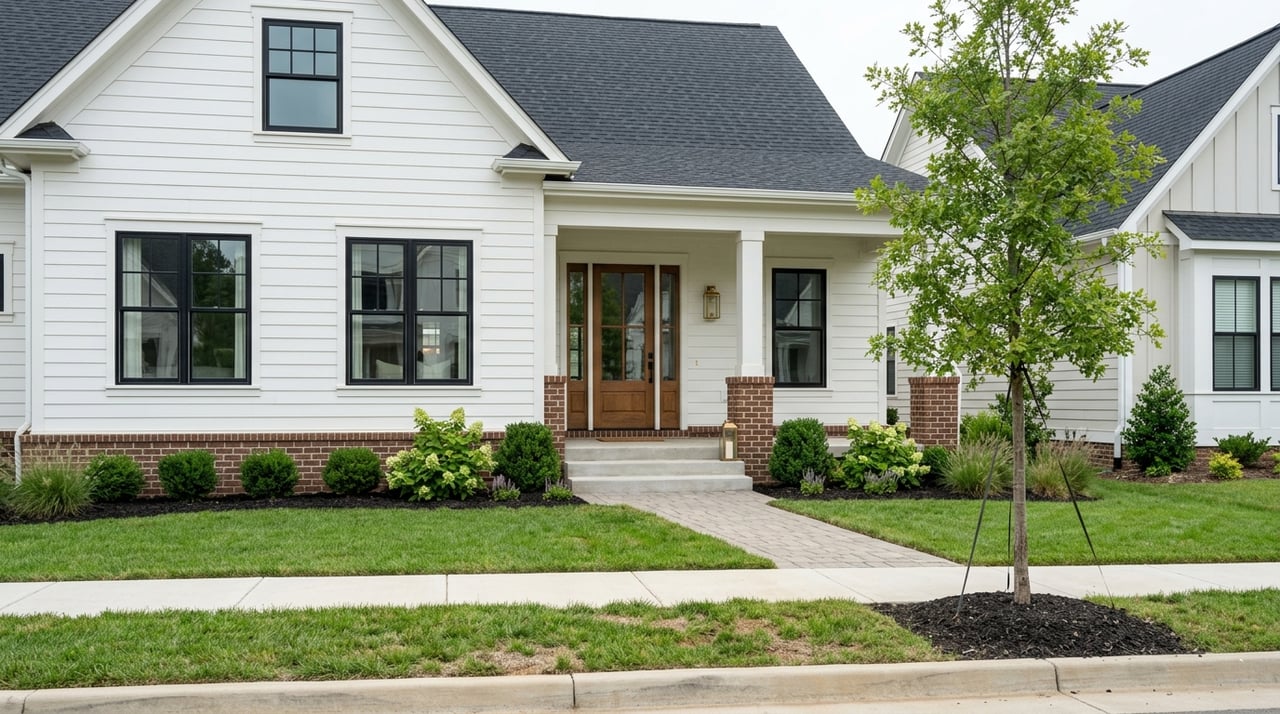
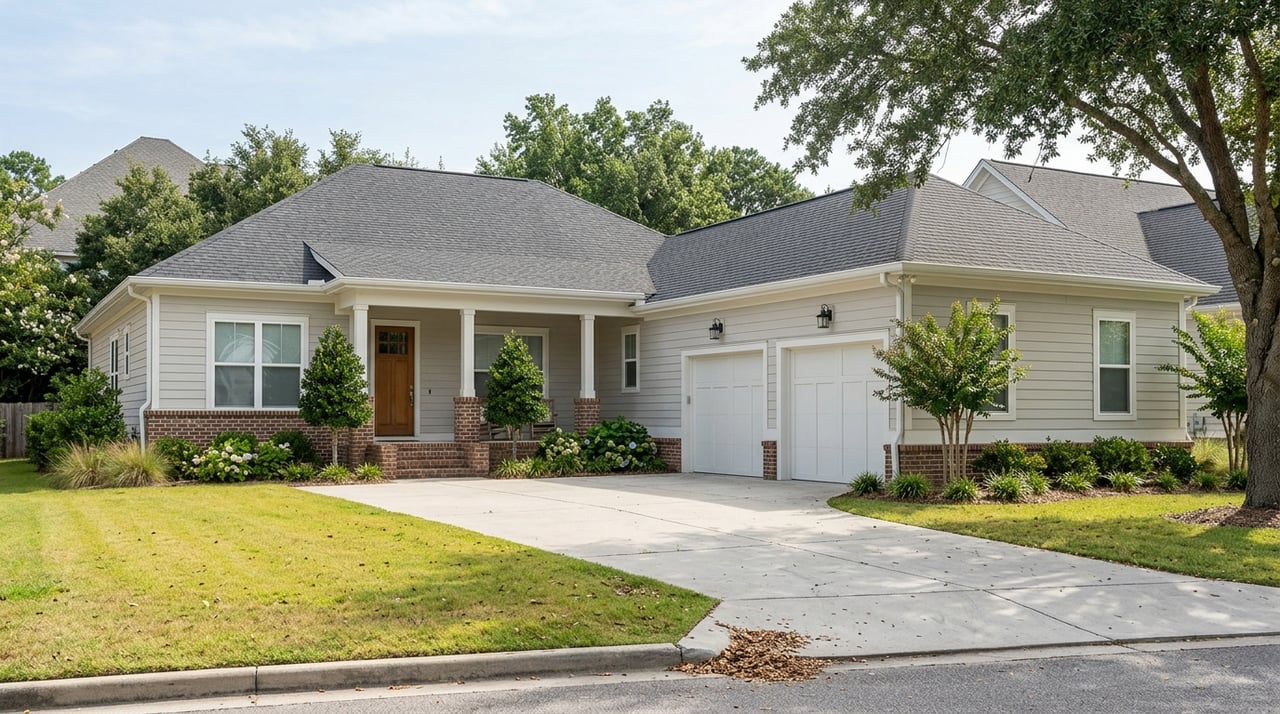
That matters if you want choices. In North Suffolk, you are more likely to find a mix of detached homes and attached options than a single repeated housing style across the whole area. For buyers comparing space, maintenance needs, and lifestyle preferences, that variety can be a real advantage.
North Suffolk is not a finished, frozen-in-time area. Suffolk announced in May 2026 that TowneBank is expanding its Harbour View Campus with a four-building campus on 25 acres, more than 600 employees, and an 85,000-square-foot addition planned. That kind of project signals continued investment and ongoing development in the broader area.
For you, that can mean an environment that still feels like it is building out. Newer commercial space, expanding employment nodes, and continued infrastructure attention can all shape how North Suffolk functions over time. If you like areas with momentum, that is worth noting.
One of the biggest questions buyers ask is simple: can I handle everyday life without driving all over the region? In North Suffolk, many routine errands cluster around Harbour View, College Drive, Bridge Road, and nearby service corridors. That concentration gives the area a practical rhythm for daily life.
Suffolk Transit’s Purple Route starts at the North Suffolk Library, serves Sentara BelleHarbour and Harbour View, and reaches College Drive, where riders can access Kroger and Walmart. The Red Route also serves Food Lion, Walmart, Lakeview Medical Center, Western Tidewater Free Clinic, and the Pruden Center. Together, those route patterns show that essential shopping and services are part of the local daily-life setup.
North Suffolk is best described as car-forward and corridor-based rather than highly walkable. Retail and services are concentrated around a few main nodes instead of being spread evenly throughout the area. So while you may have practical access to what you need, your routine will likely revolve around short drives and main road connections.
That is not necessarily a negative. For many buyers, especially those used to suburban living, this setup feels efficient. You can often group errands, appointments, and shopping into one trip because so many basics are located in the same general corridors.
Health care access is part of North Suffolk’s day-to-day appeal. Bon Secours’ Harbour View Medical Center operates as a full-service hospital campus in Suffolk. Sentara BelleHarbour describes itself as a North Suffolk medical center offering family medicine, specialty care, physical therapy, lab and imaging, outpatient surgery, and 24-hour emergency care.
That kind of service clustering helps North Suffolk feel more self-contained for routine needs. You are not just looking at homes and shopping centers. You are looking at an area where many residents can stay close to home for everyday appointments and urgent medical needs.
If you are moving to North Suffolk, commute planning matters as much as the house itself. The area offers regional access, but commute stress is very destination-specific. The road that works best for one job may not be the best route for another.
For Peninsula commutes, I-664 is the key regional route. According to VDOT, the Monitor-Merrimac Memorial Bridge-Tunnel on I-664 connects Newport News and Hampton with Suffolk and Chesapeake, and it typically carries about half the traffic volume of the Hampton Roads Bridge-Tunnel. That makes it a practical option for many Peninsula-bound commuters.
If you work in Newport News or Hampton, North Suffolk can make sense because of that I-664 connection. Access to the Monitor-Merrimac Memorial Bridge-Tunnel is one of the area’s most important transportation strengths. In daily life, that can mean a more direct relationship to Peninsula employment than some buyers first expect.
This is especially helpful for relocating professionals who want suburban housing but still need regional job access. It is one of the reasons North Suffolk appeals to buyers trying to balance home style, space, and commuting flexibility.
A Norfolk-bound commute is usually less straightforward. VDOT identifies the Hampton Roads Bridge-Tunnel on I-64 as the connector between Hampton and Newport News and Norfolk and Virginia Beach, while the I-264 Downtown Tunnel complex serves the Norfolk and Portsmouth crossing. From North Suffolk, the best route to Norfolk can depend heavily on where your workplace is located and which corridor is moving best that day.
That is why broad commute promises can be misleading. In North Suffolk, your real commute experience depends on destination, traffic timing, and which bridge or tunnel network makes the most sense for your schedule. If you are considering a move, it is smart to test routes tied to your exact workplace rather than rely on a general estimate.
Most North Suffolk households will still rely heavily on a car. Even so, Suffolk Transit provides a limited but real alternative for some trips. The Pink Route links Northern Suffolk with Northgate Commerce Park, the HRT bus stop at Chesapeake Square, and Wilroy Industrial Park, while the Purple Route loops through North Suffolk Library, Belle Harbour, Harbour View, and College Drive.
For some residents, that can support specific errands, work connections, or backup transportation plans. Still, the area is best understood as a driving-oriented suburban district first. Transit is useful in select situations, but it does not replace the importance of road access.
So what does all of this add up to? North Suffolk offers a large, amenity-rich suburban corridor where you can often find housing variety, practical shopping access, and medical services close to home. At the same time, you remain connected to the wider Hampton Roads job market through major highways and bridge-tunnel routes.
For many buyers, that balance is the draw. You get a suburban setting with room to spread out, but you are not cut off from the rest of the region. If your goal is to find a place that supports everyday convenience while keeping regional work access in reach, North Suffolk deserves a serious look.
North Suffolk can be a strong fit if you want a suburban environment and do not expect an urban, highly walkable lifestyle. It may especially appeal to buyers who value a mix of condos, townhomes, and single-family homes, along with access to shops, health care, and regional commuting routes. The area’s layout works best for people comfortable with a car-forward routine.
It can also make sense for relocating buyers who need to stay flexible. If your work may take you toward the Peninsula, Chesapeake, or other parts of Hampton Roads, North Suffolk offers a location that keeps several regional corridors in play. That flexibility is often more valuable than a simple one-road commute story.
If you are thinking about buying or selling in North Suffolk, having a local guide matters. The right strategy is not just about finding a home online. It is about matching your budget, commute, and day-to-day routine to the part of the area that fits you best. For a free home valuation or buyer consult, connect with Xavier Bryan.
Stay up to date on the latest real estate trends.

I'm an expert real estate agent with eXp Realty in Newport News, VA and the nearby area, providing home-buyers and sellers with professional, responsive and attentive real estate services. Want an agent who'll really listen to what you want in a home? Need an agent who knows how to effectively market your home so it sells? Give me a call! I'm eager to help and would love to talk to you.