
Living Near Naval Station Norfolk: Your Local Housing Guide
November 21, 2025
November 21, 2025
New orders to Naval Station Norfolk and not sure where to live? You are not alone. Between tunnels, tidewater flooding, and a wide mix of neighborhoods, choosing the right spot can feel overwhelming. This guide walks you through commute routes, nearby neighborhoods, rent versus buy, and everyday life so you can land smoothly and start strong. Let’s dive in.
Start with three filters to narrow your search fast:
Helpful tools: the FEMA Flood Map Service Center and the NOAA Sea Level Rise viewer.
If you live across the Elizabeth River in Portsmouth, you will likely use the Downtown or Midtown Tunnel. During peak hours, tunnel congestion can add significant time to your commute. Plan alternatives and leave a buffer for closures or accidents.
Naval Station Norfolk has multiple gates. Gate hours, access rules, and visitor screening can change, so confirm details with your command or the base’s official channels before you travel. Pay attention to on-base parking rules and any permit requirements for contractor vehicles.
For current base information, use the Naval Station Norfolk page on CNIC.
Times below are typical off-peak ranges and can stretch during rush hour. Always test your commute for your shift schedule.
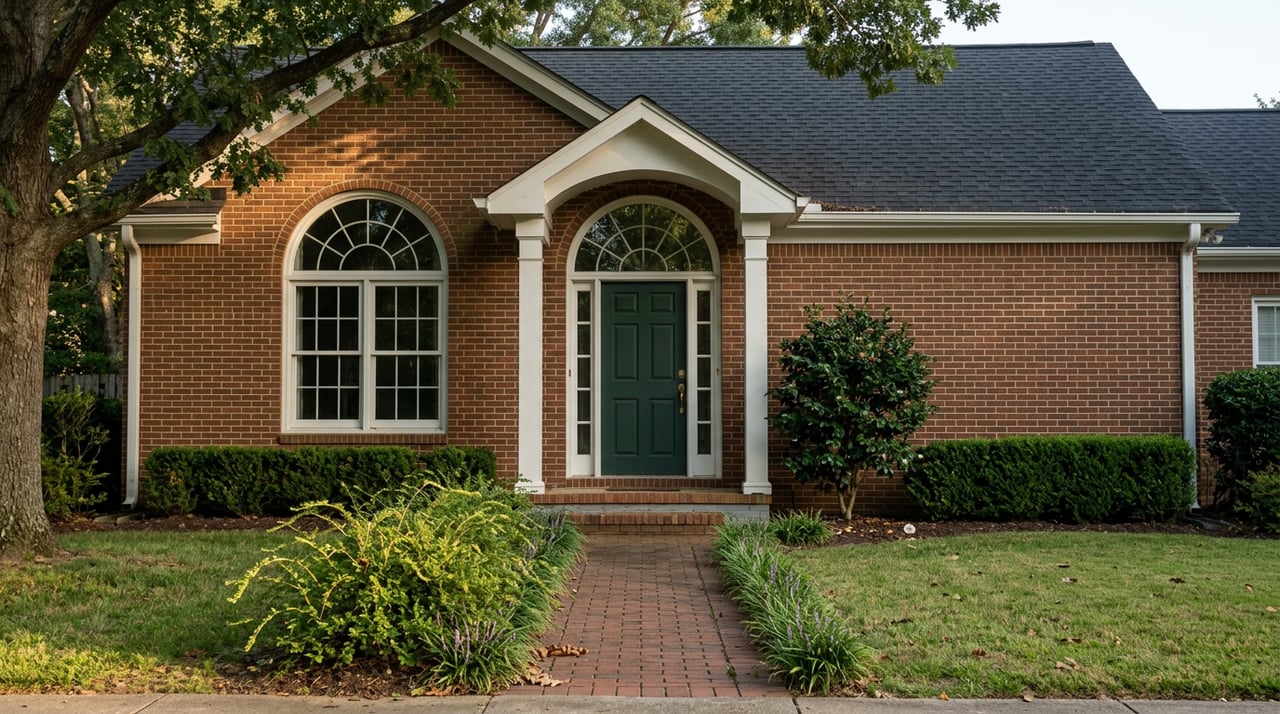
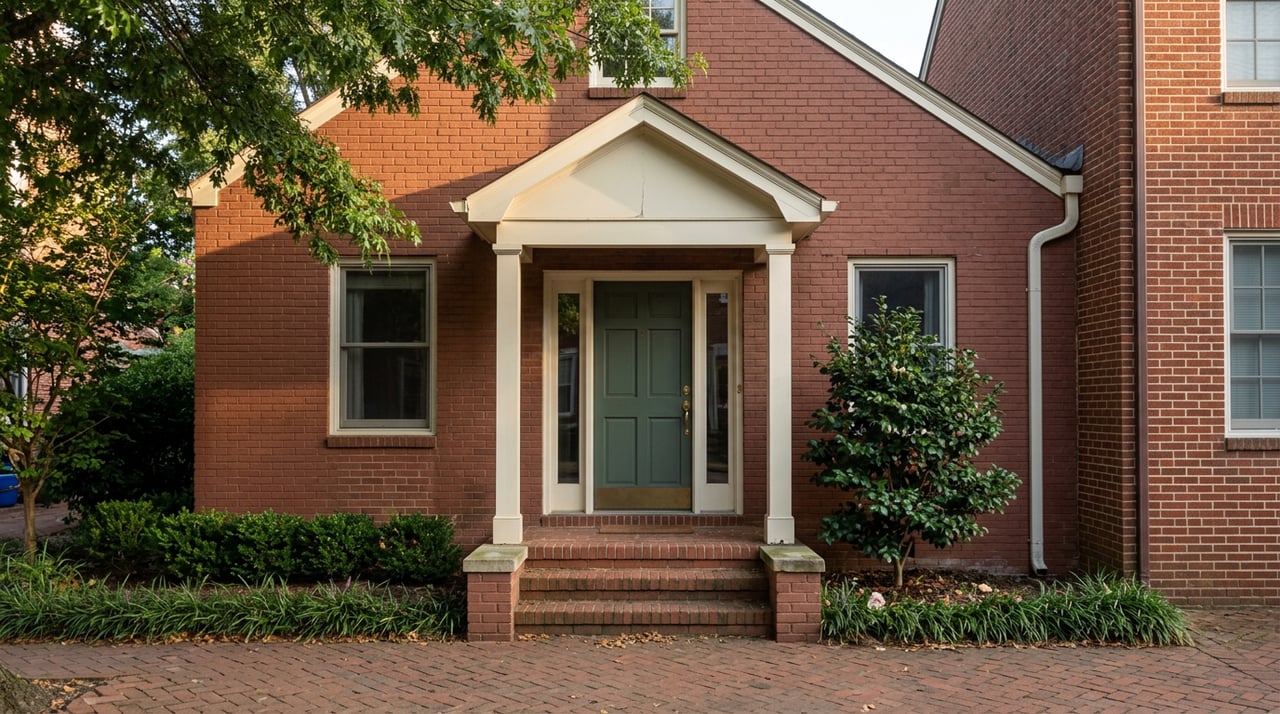
Tree-lined streets with mid-century single-family homes and renovations. These areas offer a classic residential feel, garages or driveways in many homes, and direct access via Hampton Boulevard or I-564.
Beach access and bay views are the draw here. Housing ranges from modest cottages to older single-family homes. Some areas face higher flood exposure, so check maps and insurance requirements before you commit.
Olde Towne Portsmouth and North Portsmouth mix historic homes with new infill. The tradeoff is tunnel dependency. When tunnels move, commutes are reasonable. When they do not, delays add up.
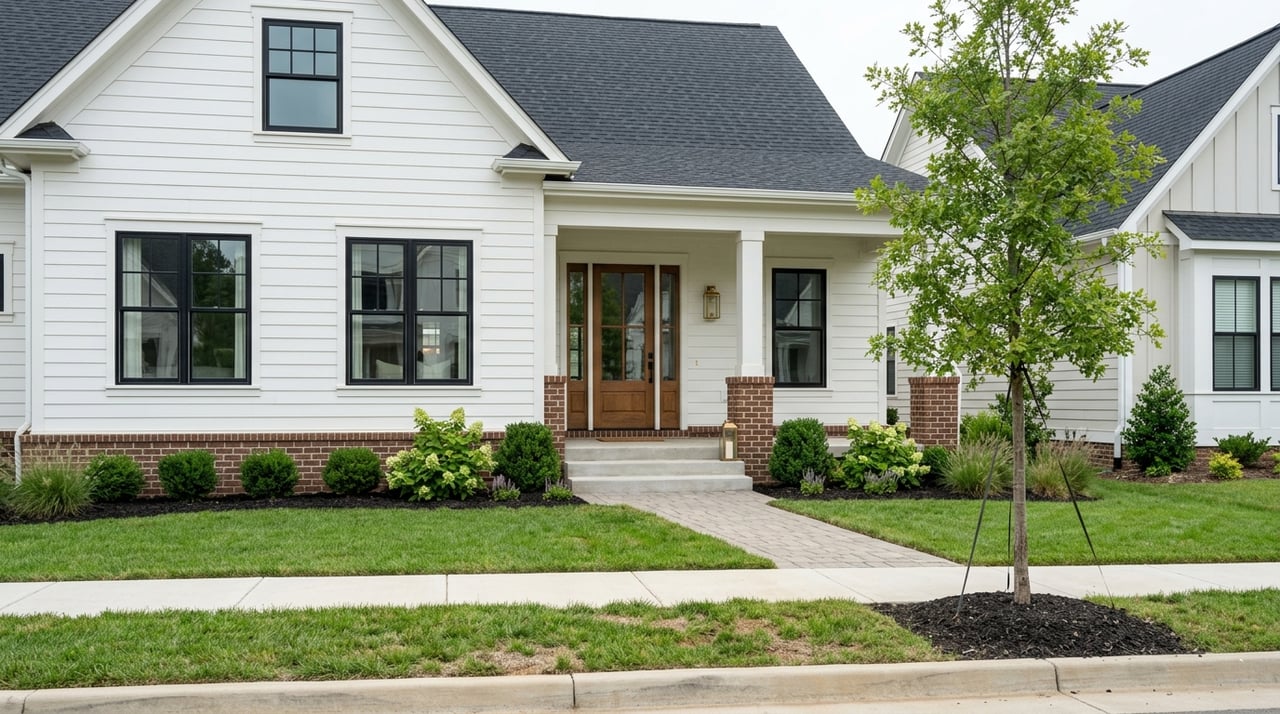
Northern Chesapeake neighborhoods like Greenbrier and Great Bridge offer larger lots and newer subdivisions. Suffolk brings more rural and suburban choices with longer drives. Many buyers choose these for space and price, then plan flexible commute windows.
Renting is popular for incoming service members and contractors, especially for shorter tours or when timing is tight. You get flexibility, speed, and lower upfront costs. Buying can make sense if you expect to stay longer and want to build equity.
Market conditions shift quickly across Hampton Roads. If you are on a tight clock, consider renting first while you learn the area, then buy with confidence once your routine settles. If you are ready to purchase now, get a VA-savvy preapproval and a clear list of must-haves, including flood and insurance needs.
School assignment depends on your address. If you have kids, connect with the installation’s School Liaison Officer for help with enrollment, records transfer, and transition programs. Child Development Centers and community childcare often have waitlists, so place your name early and keep backup options.
Active-duty families often use Naval Medical Center Portsmouth. For details on services and locations, review the Naval Medical Center Portsmouth site. The region also offers civilian hospitals and clinics for additional care.
You will find major grocery chains and the military exchange and commissary near the base. Ghent and downtown offer restaurants, galleries, and boutique shops. Virginia Beach brings larger shopping centers, beach access, parks, and festival calendars throughout the year.
Norfolk is low-lying, and tidal flooding and storm surge are real factors. Before leasing or buying, check flood maps, review any elevation certificates, and understand whether a property sits in a Special Flood Hazard Area. Lenders may require flood insurance in designated zones, and renters should consider policies for personal belongings.
Use the FEMA Flood Map Service Center and the NOAA Sea Level Rise viewer for planning. The City of Norfolk publishes flood resilience information and preparedness guidance on its website.
Property taxes and utility fees vary by city. Expect separate bills for water and sewer, electricity from the regional utility, and possible stormwater fees in some jurisdictions. Review the official websites for Norfolk, Virginia Beach, Chesapeake, Portsmouth, or Suffolk to compare rates and services before you decide.
Confirm access and gate details. Work with your sponsor to verify gate hours, ID requirements, and parking rules.
Get on the lists early. Register with the Housing Referral Office and childcare programs as soon as you have orders. If needed, reserve temporary lodging at the Navy Lodge.
Decide rent or buy for this tour. If you plan to buy, secure a VA-savvy preapproval and discuss appraisal and condition standards with your agent and lender.
Test your commute. Drive the route during your actual shift times. Note tunnel patterns and backup options.
Vet each address for risk and cost. Check flood maps, insurance needs, and utility providers. Confirm HOA or condo rules if applicable.
Tour short lists by vibe and logistics. Compare parking, storage, yard space for pets, and access to groceries and parks.
Get local help you can reach. Work with an agent who knows base-area neighborhoods and can move quickly when the right place appears.
Ready to make your move easier? Let a local advocate guide you from first tour to final keys. Reach out to Xavier Bryan for a quick consult and tailored next steps.
Stay up to date on the latest real estate trends.



I'm an expert real estate agent with eXp Realty in Newport News, VA and the nearby area, providing home-buyers and sellers with professional, responsive and attentive real estate services. Want an agent who'll really listen to what you want in a home? Need an agent who knows how to effectively market your home so it sells? Give me a call! I'm eager to help and would love to talk to you.