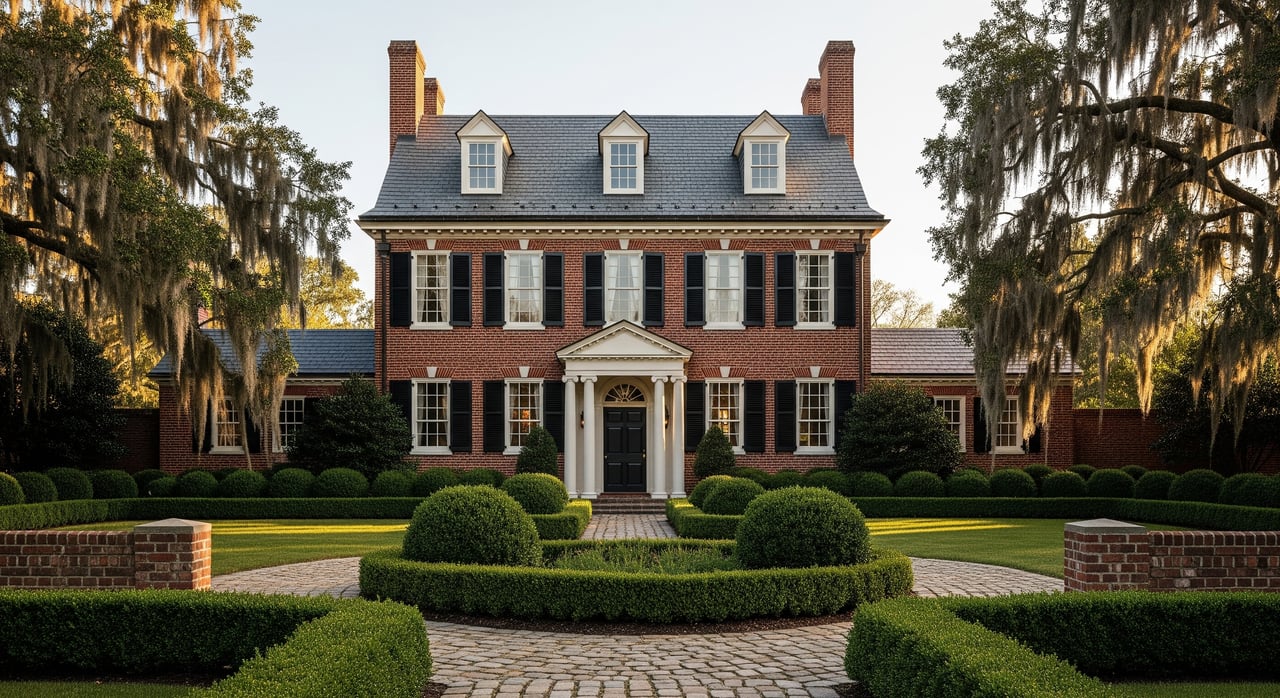
Title Insurance in Virginia for Williamsburg Homebuyers
December 4, 2025
December 4, 2025
Buying a home in Williamsburg comes with a lot of new terms, and title insurance is one that can feel confusing fast. You want to protect your investment and avoid surprises after closing. The good news is that a little clarity now can save headaches later. In this guide, you’ll learn what title insurance covers, how Virginia closings handle it, what to watch on your Closing Disclosure, and how to decide on an owner’s policy with confidence. Let’s dive in.
Title insurance protects you against problems with the property’s ownership history, not the home’s physical condition. It covers defects in the recorded chain of title, like recording errors, unknown liens, or undisclosed heirs. Homeowner’s insurance covers physical damage. Title insurance covers ownership and legal rights connected to the land and improvements.
You pay a one-time premium at closing. There is no annual bill. The owner’s policy typically lasts as long as you or your heirs hold title. The lender’s policy lasts until the mortgage is paid off.
Title insurance often covers:
Title insurance does not cover:
Endorsements are add-ons that expand coverage for specific risks. Common examples include survey or boundary matters, access, zoning, and condo-related issues. Endorsements carry one-time fees. Ask your settlement provider which endorsements are typical for Williamsburg and the Peninsula.
You pay title insurance premiums once at closing. Lenders almost always require the lender’s policy, and buyers commonly pay for it. The owner’s policy is optional but often recommended. Who pays for the owner’s policy is a matter of local custom and negotiation.
In many Virginia transactions, the seller often pays for the owner’s policy. This is common but not guaranteed in the Williamsburg and Peninsula market. Always check your sales contract and the settlement statement to confirm who pays for each item.
Closings in Virginia are handled by title companies or settlement attorneys. Your deed and loan documents are recorded with the local city or county office after closing. Williamsburg is an independent city, and adjacent counties like James City County and York County have their own recorders. Recording fees and state or local transfer taxes appear as separate line items on your closing paperwork.
Older homes and long ownership histories are common in the area. That can mean gaps or clerical errors in the record. Properties in or near historic areas may carry preservation easements or restrictions that appear as exceptions. Planned communities often have covenants, conditions, and restrictions, and association liens can appear in the record. Flood and coastal issues are not title matters, but drainage or access agreements may be recorded and listed as exceptions. Ask your settlement provider to explain any items you do not recognize on the title commitment.
On your Closing Disclosure or settlement statement, you will typically see:
For most buyers, the owner’s policy is a cost-effective, one-time purchase that protects your equity and provides legal defense for covered claims. If the seller offers to pay for it, it is smart to accept. If you are paying, weigh the premium against the property’s age, history, and any easements or covenants.
If you do not buy at closing, you can sometimes purchase later at a reduced reissue rate. Availability and pricing depend on underwriting rules and timing. Buying at closing is usually the simplest route.
For higher-value or higher-risk properties, ask about endorsements that address survey, boundary, access, or zoning issues common on the Peninsula.
If you want help weighing your options or negotiating who pays for the owner’s policy, reach out. I can walk you through your Closing Disclosure, explain local customs, and coordinate with your settlement team so you close with confidence. Connect with Xavier Bryan to get started.
Stay up to date on the latest real estate trends.


I'm an expert real estate agent with eXp Realty in Newport News, VA and the nearby area, providing home-buyers and sellers with professional, responsive and attentive real estate services. Want an agent who'll really listen to what you want in a home? Need an agent who knows how to effectively market your home so it sells? Give me a call! I'm eager to help and would love to talk to you.