Norfolk VA Townhomes Guide to HOAs, Layouts & Life
February 19, 2026
February 19, 2026
Thinking about a Norfolk townhome but not sure how HOAs, parking, or financing really work? You are not alone. Townhomes can offer the right blend of space, convenience and low-maintenance living, but the details matter. In this guide, you will learn how ownership types affect your loan and insurance, what layouts and parking to expect, what HOA fees usually cover, and which documents to review before you buy. Let’s dive in.
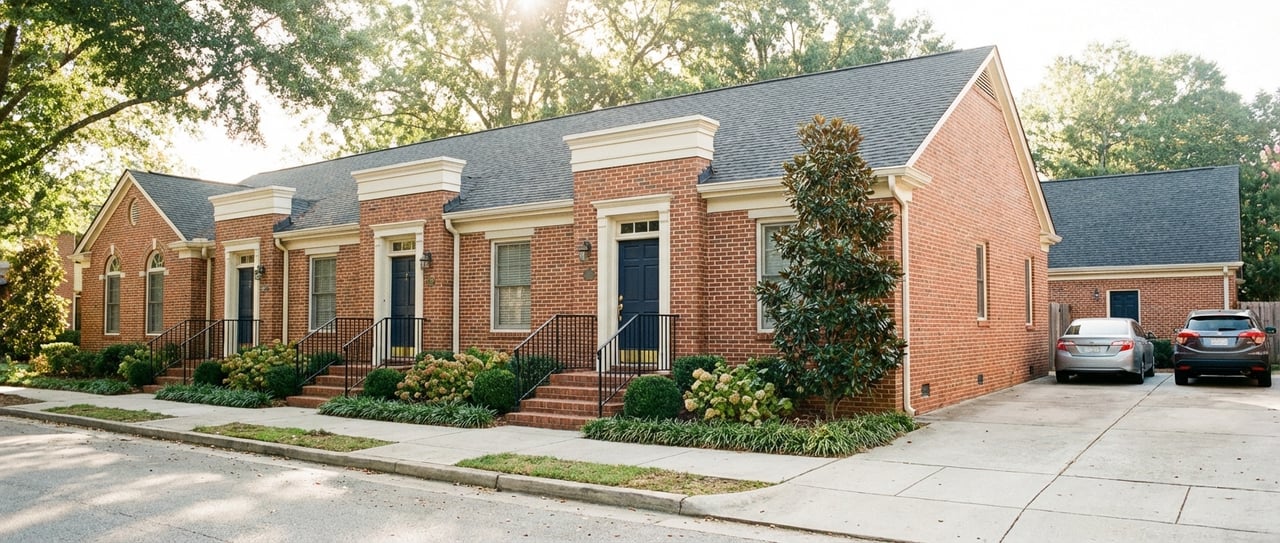
In Norfolk, a townhome usually looks like a connected, multi-level home with a private entry. The key difference is the legal structure behind it. Some townhomes are fee-simple, which means you own the home and the land beneath it. Others are legally organized as condominiums, where you own the interior and the association controls exterior and common elements. The buildings can look the same, but the ownership details affect financing, insurance and maintenance. For a plain-English overview of townhome versus condo ownership, see this helpful explainer from Better Homes & Gardens on condo vs. townhouse differences.
You will find townhomes across Norfolk in established urban neighborhoods and newer infill. Attached rowhomes and urban townhomes are common in Ghent, Freemason, Larchmont/Edgewater, Downtown and parts of East Beach. Styles range from historic brick rowhouses to newer three-story, garage-front units near waterfront and transit.
Most Norfolk townhomes are 2 to 3 stories. The main level often has an open living, dining and kitchen layout. Bedrooms and full baths sit upstairs, commonly in 2- or 3-bedroom, 2- to 3-bath arrangements. Many modern units include an attached 1- or 2-car garage, especially in recent infill developments. Historic rowhomes may have more traditional room-by-room layouts and rely on on-street parking.
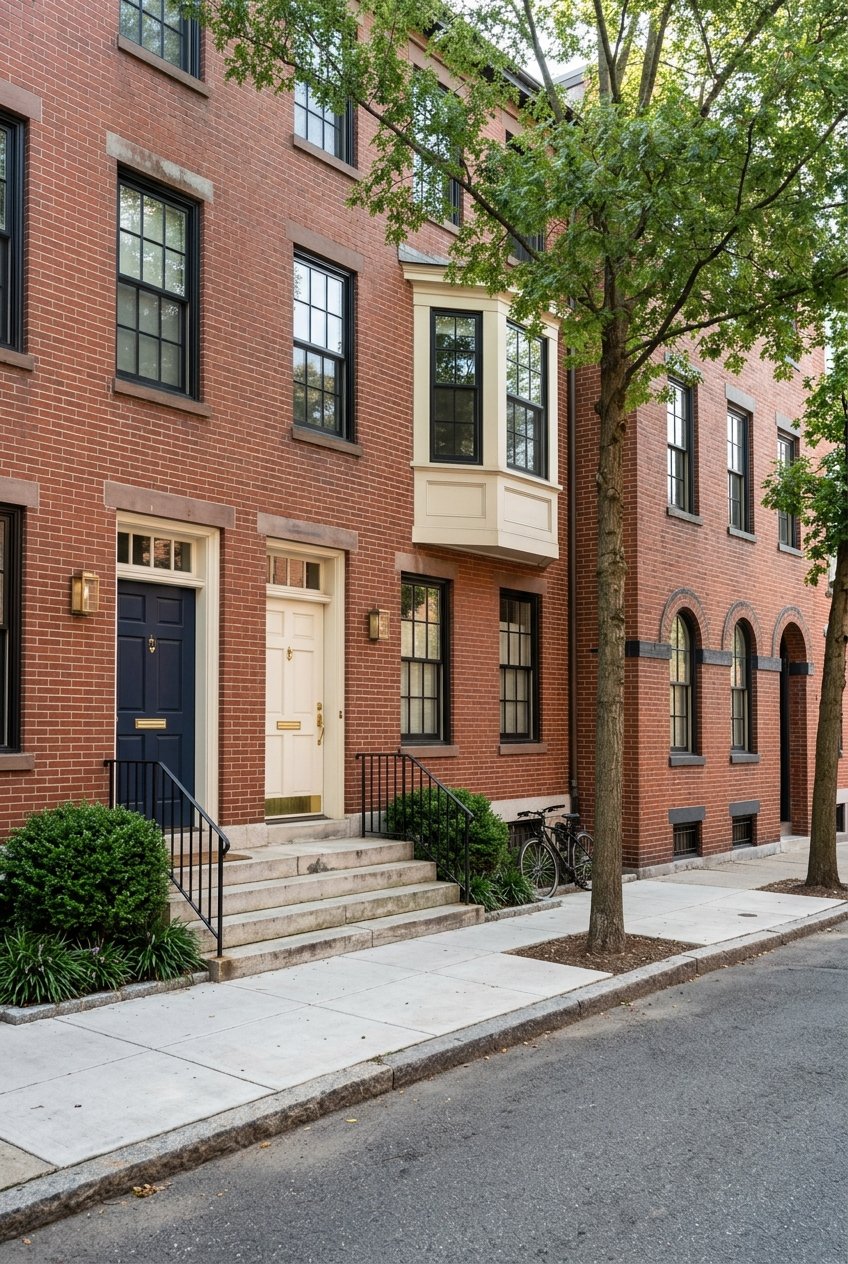
You will see variety by neighborhood. For example, a newer 3-story townhome in Freemason may feature a 2-car attached garage and a vertical, urban footprint. A classic brick rowhome in Ghent may offer a front stoop, a modest rear courtyard, and city street parking. In some planned communities, rear-alley access serves attached or detached garages and shared parking pads.
Parking setups include attached front or rear garages, detached carriage garages, driveways, shared pads, rear alleys, and on-street spaces. In denser historic areas like Ghent, Freemason and Downtown, off-street spaces can be limited. If a home depends on street parking, review the city’s rules early. Norfolk uses a Residential Permit Parking program in certain zones, which sets resident and guest permit rules. You can confirm active zones and guidelines on the city’s Residential Parking program page.
Pro tip: Ask for the parking assignment map during your contract period. Confirm which spots convey, how guest parking works, and whether the HOA enforces permits or time limits.
Most townhome communities have an owners’ association with a board, governing documents and rules. The legal framework in Virginia defines associations and how they operate. If you want to see the official definitions and terms, review the Virginia Property Owners’ Association Act definitions section. Your HOA’s declaration, bylaws and rules spell out maintenance responsibilities, parking, pet policies, rental limits and how assessments are calculated.
HOA dues often fund exterior common-area maintenance, landscaping, sidewalks and building exteriors, along with common utilities, trash, insurance for common structures, professional management and amenity upkeep. A portion typically goes to reserves for future major repairs. To understand exactly what your dues pay for, look at the most recent budget and reserve plan. For a plain-language overview of what HOAs commonly cover, this community association FAQ is helpful.
In recent local listings, monthly townhome HOA dues in Norfolk vary widely by location, age and amenities, with a sample range from about 65 to 180 dollars per month. The fee number alone does not tell the whole story. Compare what is included. One association might cover exterior maintenance, master insurance and landscaping. Another might add amenities or higher reserves that justify a higher monthly cost.
Also review reserves and meeting minutes during your contract period. Underfunded reserves can lead to special assessments that affect your monthly budget and resale value.
Whether a townhome is financed like a single-family home or treated like a condo depends on how it is legally organized. If it is a condo, lenders may require project-level documentation or approvals. FHA allows some single-unit approvals in certain cases, but the project still needs to meet specific criteria. If you plan to use FHA, VA or conventional financing, ask your lender to confirm project eligibility early. For a quick primer on condo approval dynamics, see this FHA overview on condo approvals and eligibility.
Associations usually carry a master policy that covers common elements. Your personal policy depends on the ownership type. If you own only the interior, you likely need an HO-6 policy. If you own exterior elements and the lot, your insurer may recommend an HO-3 or HO-5 plus endorsements. Ask the HOA for the Certificate of Insurance and a summary of deductibles and covered perils. This community association FAQ explains common master policy setups.
Lenders and title companies often require a resale certificate or estoppel that shows assessments due, pending fees and other disclosures. In Virginia, resale packets and allowable fees are governed by statute. For reference, see Virginia’s rules on resale certificate contents and delivery and preparation fees. Delayed or incomplete packets can slow closing, so request them right after ratification.
Use this checklist during your contract and underwriting review. Ask for these items as soon as your offer is accepted, then share them with your lender and insurance agent.
Process tips:
A Norfolk townhome can give you the location, space and lower-maintenance lifestyle you want. The key is knowing whether it is fee-simple or condo-structured, understanding how the HOA operates, and planning for parking, insurance and lending needs. With the right prep and the right documents in hand, you can buy with confidence.
If you want a second set of eyes on an HOA packet, help comparing layouts and parking in different neighborhoods, or a plan for VA or FHA financing, reach out. I am here to help you move with clarity. Connect with Xavier Bryan to get started.
Stay up to date on the latest real estate trends.


I'm an expert real estate agent with eXp Realty in Newport News, VA and the nearby area, providing home-buyers and sellers with professional, responsive and attentive real estate services. Want an agent who'll really listen to what you want in a home? Need an agent who knows how to effectively market your home so it sells? Give me a call! I'm eager to help and would love to talk to you.